Water Method Blog
Taoist Philosophy, Neigong and Meditation, Medical Qigong, Tai Chi and Bagua
By Paul Cavel
With my new bagua online course starting today, I’ve had a handful of people who’ve asked about bagua for meditation. I suspect there are more of you out there who might want to train bagua as a form of moving meditation, as classically trained for millennia in the monastic tradition....
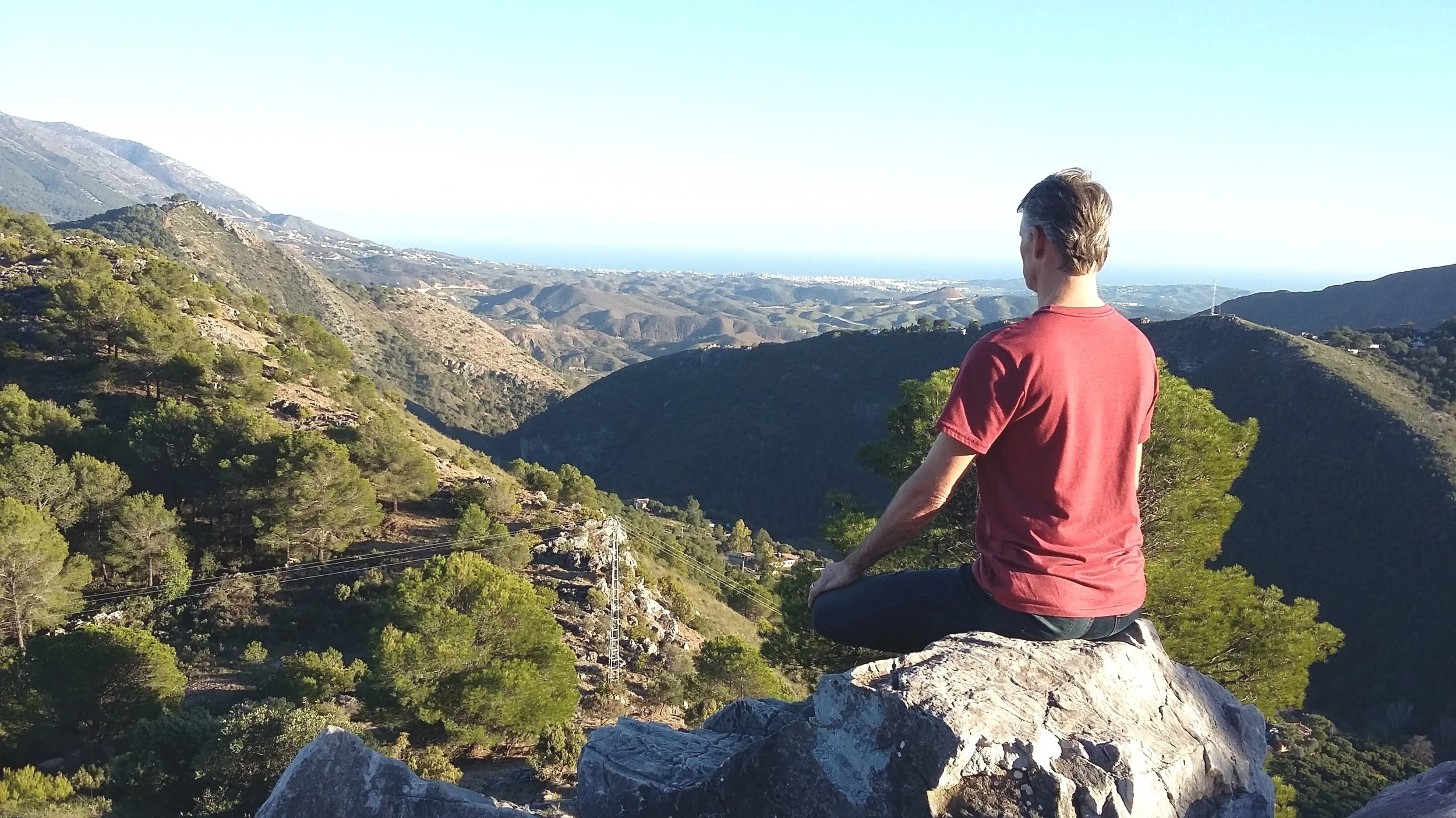
Classically Taoist Meditation was done while sitting in the Emperor’s position. In this video, I’ll show you how to sit in a chair (or on a rock!) for meditation.
I’ve trained the monastic bagua tradition (focusing on the Single Palm Change) AND the bagua zhang (martial) tradition — including learning all Eight Bagua Mother Palms — from my teacher, Bagua Master Bruce Frantzis, in private and public tuition since 1994.
Find a Bagua Course
By Paul Cavel
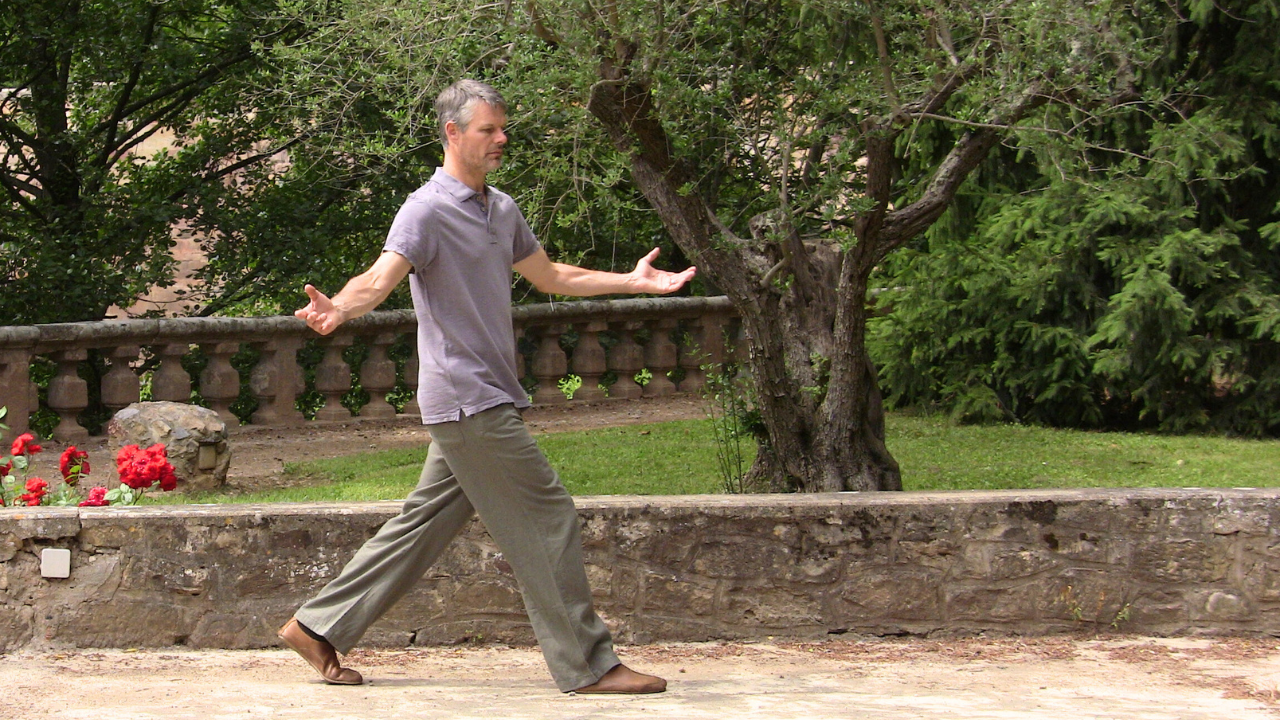
Most internal arts have a specific learning progression, which begins with a set of six or more movements in qigong, and up to 108 moves in tai chi. Then, as you practise the form over weeks, months and years, you sink into your body, mind and qi by adding layers of internal con...
By Paul Cavel
In previous posts, I covered exercises for creating space in body, mind and qi to increase relaxation and release deeply bound tension. Now we’ll explore foundational breathing techniques to lull the nerves into a state of letting go and gently massage the internal organs to increa...
The kwa is essential to internal arts training as it powers all forms. In the this video, I’ll take you through the basic kwa squat to make sure you’re practising it correctly.
In my Taoist Neigong online classes, core Water Method training, we cover many layers of the kwa squat to help you r...
In this video I discuss how to develop your awareness.
The English version is available here.
Tigre et dragon est un système de qi gong médical en sept mouvements, originaire de Chine. Pratiqué depuis 1 500 ans par des millions de personnes, il utilise une méthodologie très simple pour ressentir, faire circuler, transformer et cultiver le qi (énergi...
By Paul Cavel
PART 2: What Is Wu Wei?
Wu wei is often described as “doing without doing”, but what does that really mean? How can you do something without doing it? This misunderstanding is generally due to scholars outside the tradition translating Chinese characters into English,...
This one’s for you, Dr. Miguel!
Following the Path of Least Resistance
Following the path of least resistance is how you can heal your body from imbalances, injury, illness and other traumas. Overtime, you can accomplish more by making consistent, small changes than going for gold and then experiencing setbacks in the form of ...
By Paul Cavel
Although people who train the internal arts of qigong, tai chi and bagua do so for a variety of reasons, all motivations can be classified into three general categories: health/healing, martial arts and spiritual development. In reality, everyone trains for health because, at the...
By Paul Cavel
You are being bombarded by noise – unrelenting distractions in the form of notifications, news and marketing – that diminish peace of mind. It’s no wonder why stress is the number one cause of disease with 90 percent of illnesses and diseases being linked to chronic stress (accor...
Bagua is a pure energy art originally practised by those interested in the I Ching or Taoism — having been derived as a physical manifestation to realise the teachings of the I Ching. In this way, bagua is an embodiment of the universal principles of change.
It is also a high-level martial ar...
By Paul Cavel
In ancient times, internal arts training often started just before dawn and was usually done outside. Taoists found that morning practice not only warms up the body’s systems by circulating blood and chi, but also wakes up the intuitive aspects of the mind. Starting the day on soli...
The Yang style tai chi form that I teach is derived from that of Yang Cheng Fu, a direct descendant of the Yang family, as I consider it a superb balance between ease of learning and depth of internals, making it a practice well-suited to both new and existing students alike.
The internal techni...
By Paul Cavel
I began studying the Taoist Water tradition in the late 1980s and quickly dedicated myself to my training because of life-debilitating injuries I needed to address to maintain any decent quality of life. At that time, I felt as though I had looked everywhere for answers, but nothin...

By Paul Cavel
From a Taoist perspective, loss is a natural part of living. You cannot live a life without losing something, and at the end of the day, you are going to lose everything, including your life.
For this reason, Taoists have always looked at how to become comfortable with
...
By Paul Cavel
Part 1: Origins of the Water Method
The Water Method, first coined by Lao Tzu, author of the Tao Te Ching, twenty-five hundred years ago, comes from the teachings of the Taoist oral tradition and has existed for many millennia. For this reason, I like to refer to it as “Old Taoism...
Opening the Energy Gates of Your Body Qigong is the foundation of all Taoist meditation and energy arts practices, specifically developing the qualities of the Water Element. Water is all about clearing and cleansing the body and its qi, which ultimately affects the mind.
As an introductory q...
Creating Circular Forms
The specialty of Tai Chi Circling Hands is developing circularity.
Circularity is a big deal in the internal arts and it gets talked about a lot. But when you go to practise your form, there’s a lot of complexity involved — not just with the choreography, but also nei...
The Wu style is considered by many to be the deepest style of tai chi. Initially designed to become a form of moving meditation, the Wu style serves as a container for all 16 Taoist neigong. This small-frame style is capable of driving neigong deep into the body, but requires the body to be relat...
Follow The Tai Chi Space
... and join our growing TTCS community!