Water Method Blog
Taoist Philosophy, Neigong and Meditation, Medical Qigong, Tai Chi and Bagua
How to Grow Your State of Health and Well-being
By Paul Cavel
Internal arts are practised the world over because, above all else, they have a proven track record of health and healing results. If you ask the average practitioner about the mechanisms that drive these beneficial outcomes, anecdote...
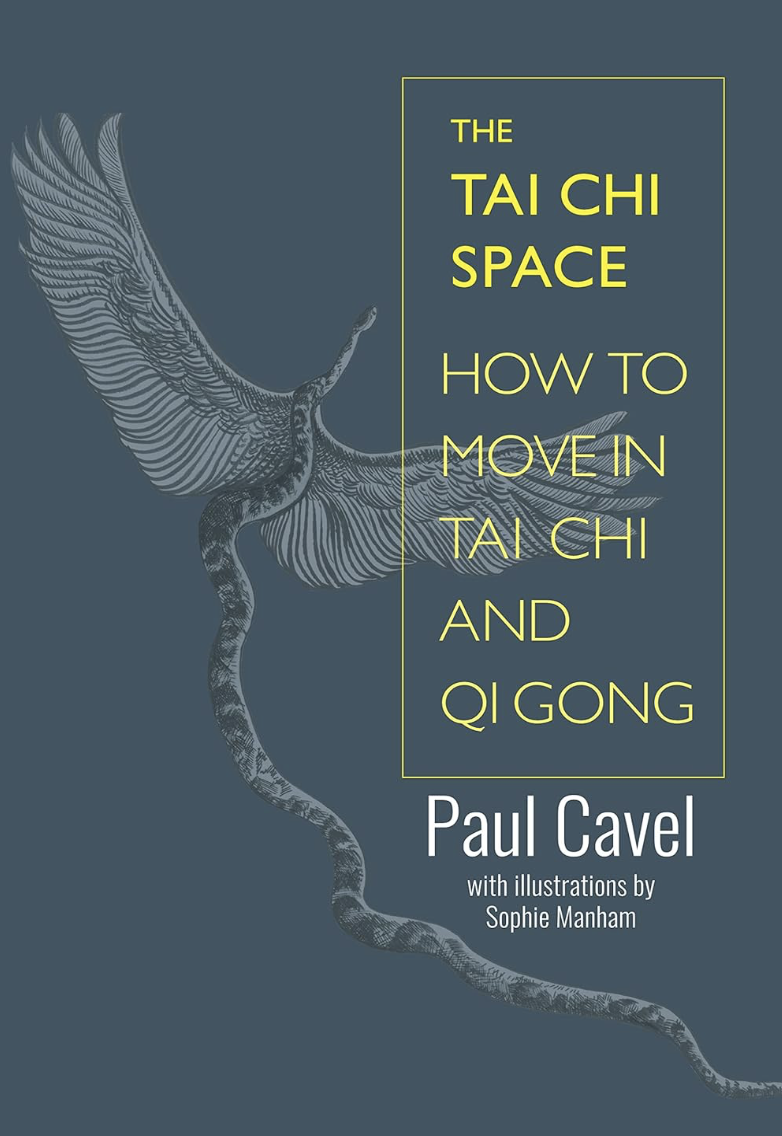
Foreword by Dr. Michael Mettner
“Metaphors, images and symbols are the language of our subconscious minds. They help to convey meaning to our consciousness and hence store in the memory quite easily and naturally. If they are chosen well, they are able to penetrate the deeper layers of our con...
In this talk with Chris Cinnamon of Chicago Tai Chi, I discuss the Taoist Water Method, including how to:
* Develop your qi
* Open up and balance your body
* Avoid injury and maintain your practice over long periods of time.
I also discuss the difference between qigong and the 16 neigong as a...
There is a battle raging on for your attention, your mind. We've lost the state of just being. Take back your sovereignty, and train your mind to be more present, aware and awake! In this video, Acupuncturist Cameron Crumpler of One Pulse Wellness and I discuss the body factor, why meditation is ...
In this video, I discuss how to breathe to release trapped and suppressed energy and blockages from physical, emotional and mental traumas.
Learn more about Dragon & Tiger Medical Qigong, which includes my 23 guided practices on Taoist Breathing and Meditation, 23 guided practices on whole-body ...
Thanks to Morgan Freedude for the chat. I hope you guys all enjoy it. We discuss: *Taoism, Lao Tzu and the Oral Tradition of the Tao Te Ching *How to heal physical and emotional traumas *How to live a longer life of quality *How to transform the body and mind with millennia-old practices includin...
By Paul Cavel
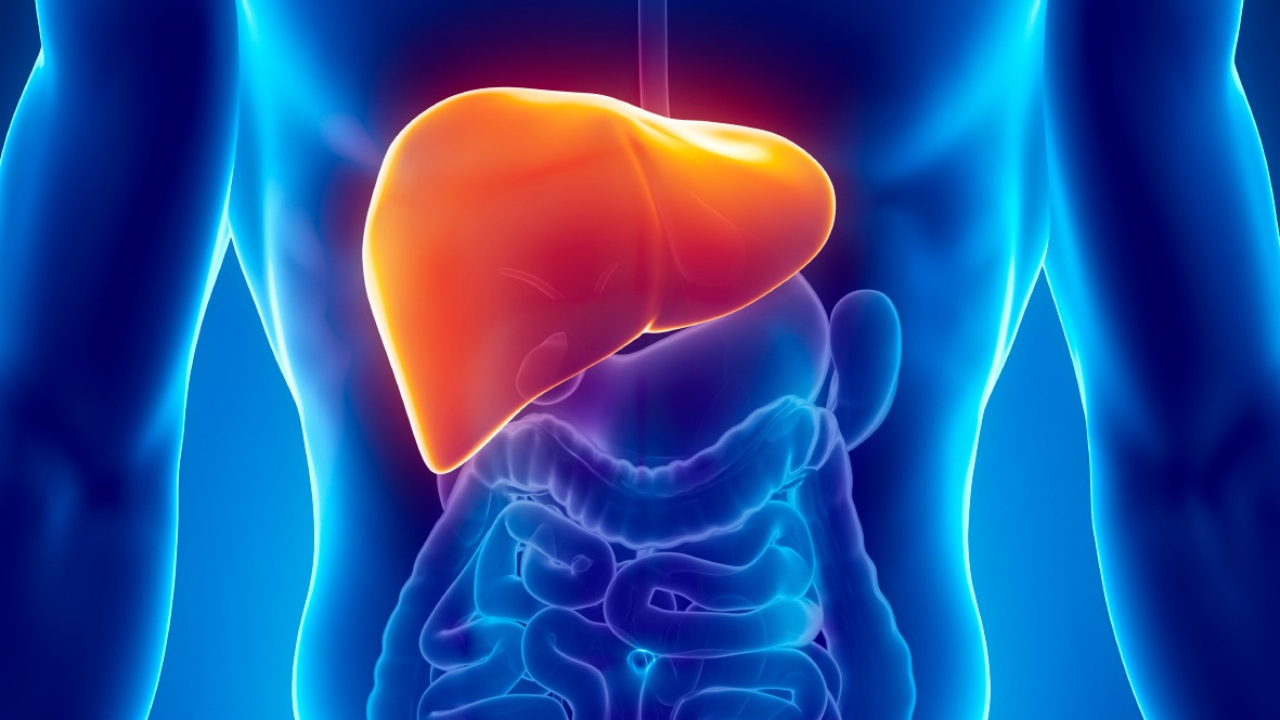
Many people don't know that it’s possible to survive with a liver that is only half functioning. As the largest of the internal organs, it takes prominent position on the right side of the abdominal cavity, and performs a whopping 500+ metabolic and vital functions. Stress, the numb...
In London, I sat down with fellow TTCS medical qigong instructors Anna Price, Sarah Lim-Murray and Mir Ali, an acupuncturist who specialises in women’s health (https://www.warriorhealers.co.uk/), to discuss qigong and meditation for women.
We discuss:
-
How qigong training is different fo
...
Become grounded with this guided practice.
Is HRT inevitable for Menopausal Women? How can tai chi, qigong and meditation help?
In London, I sat down with fellow TTCS medical qigong instructors Anna Price, Sarah Lim-Murray and Mir Ali, an acupuncturist who specialises in women’s health, to discuss perimenopause, and the benefits of qigo...
By Paul Cavel
Dragon and Tiger, as a form of medical qigong, was originally designed to contact and develop the etheric field and the wei qi of the body. For this reason, it links very well with the meridian-line system used in acupuncture. The information covered in the last fou...
What's Holding You Back?
In this follow-on talk with TTCS Instructor Javi Martinez, we discuss healing with Taoist neigong. Topics include:
- The benefits of training, such as better sleep, increased flexibility and growing a younger body
- Healing physical, energetic, emotional, mental and...
By Paul Cavel
Breathing is one of the most direct and simple ways to gain access to your internal landscape, and encourage a calm, relaxed state in body and mind. The ability to breathe well can dramatically affect your health and well-being—not just because you do it all day, but also because...
This is Part Three of the Water Method series with Mir Ali.
Start with Part One:
• What Defines Water Method Training
In this third video, Mir and I drill down into the question: What is the point of training? We also discuss the training progression as you develop skill with fundamental neigong...
This is Part Two of the Water Method series with Paul Cavel and Mir Ali. Go back to Part 1
Much of the documentation on Daoism has been destroyed, but the oral tradition has been preserved with the teachings being transmitted from master to student for millennia, to us in the present day.
In th...
By Paul Cavel
In a previous post I offered exercises for opening up the musculoskeletal frame in a coordinated fashion to create space in your body. As you begin to feel a sense of more space, you want to transition your focus from the muscles to the nerves.
In order to target nerve flow, you w...
By Paul Cavel
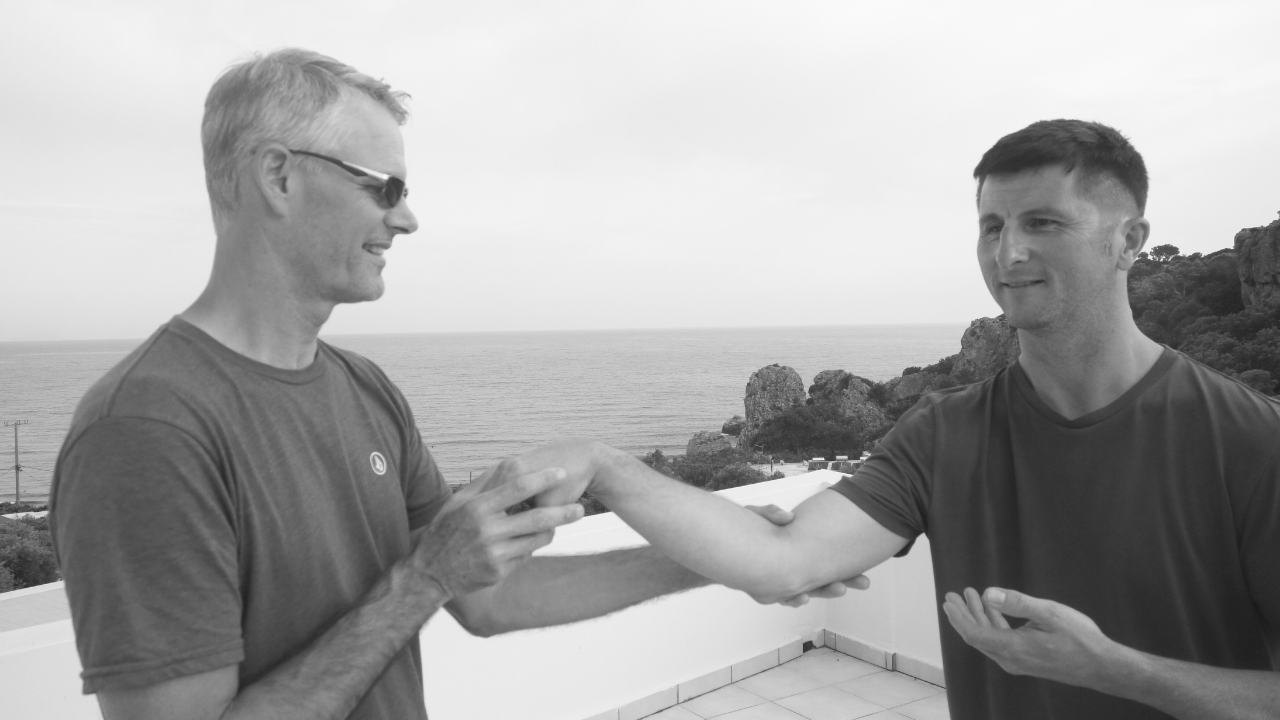
Two Methods for Growing Your Life-force Energy
There are two primary methods of moving energy in the body, which can be broadly classified as beginning and advanced phases. Many qigong systems are designed according to the principles of the beginning phase and remain within this re...
In this video, I meet with my friend and fellow Water Method teacher Jason Roberts to discuss how to practise to cultivate qi and manifest the energies of the Five Elements.
We discuss:
-
Where to put your focus and strategies for practising the Water Method as it is comprised of five neigong
...
Audio from a recording in California, March 2024 on how to make practice effortless with a video of an evening tai chi practice in California, May 2024.
Javi Martinez teaches tai chi and qigong in London
If you really want to be healthy, to feel freer, to become a better human being, you must first create balance. Taoist energy arts have been practised for millennia for these reasons, and many more.
Most popular is qigong (and younger tai chi), but in the Water Method, the focus is on neigong an...
In this video, I discuss bending-and-stretching neigong and lengthening neigong, and how they become one.
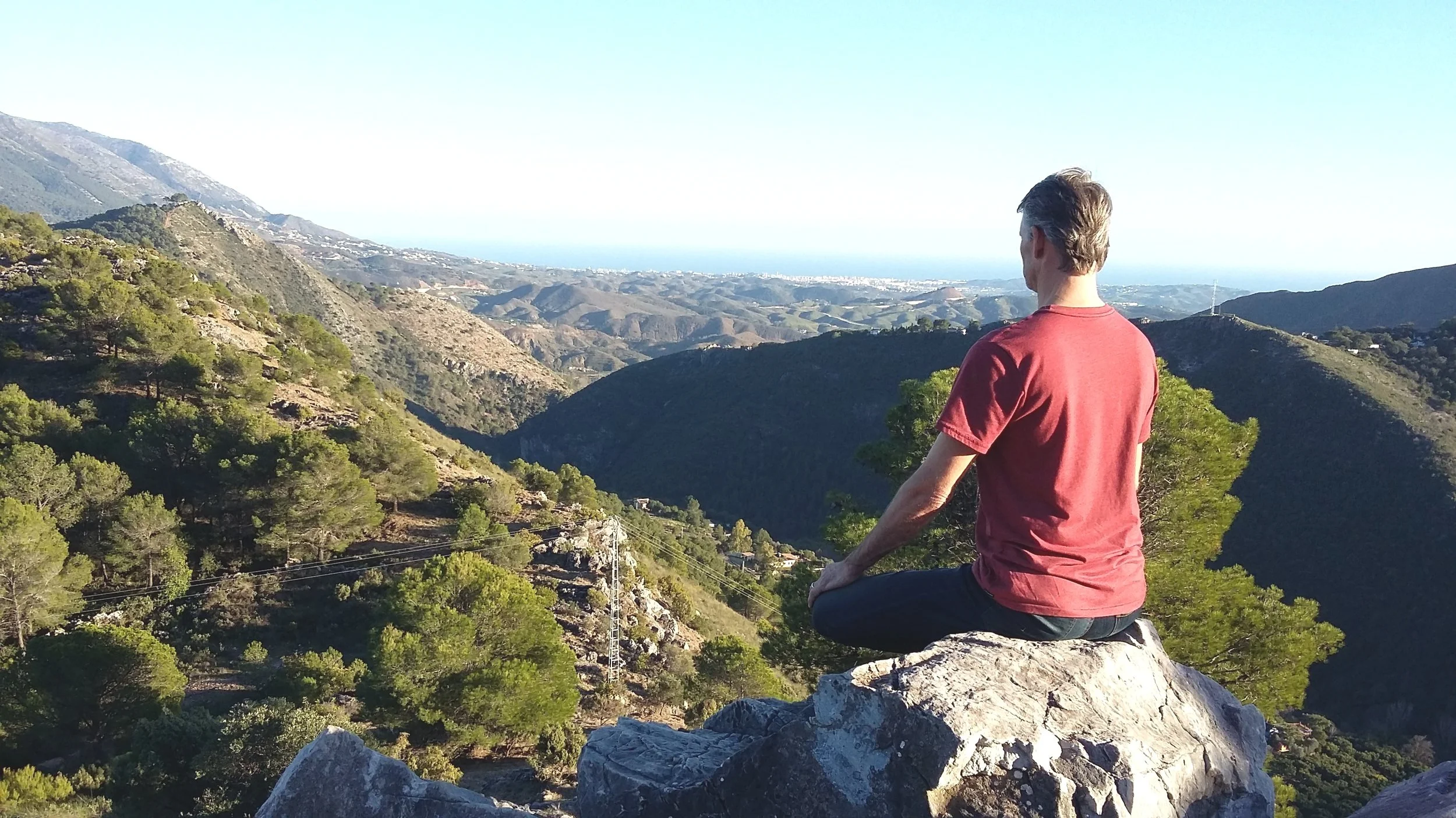
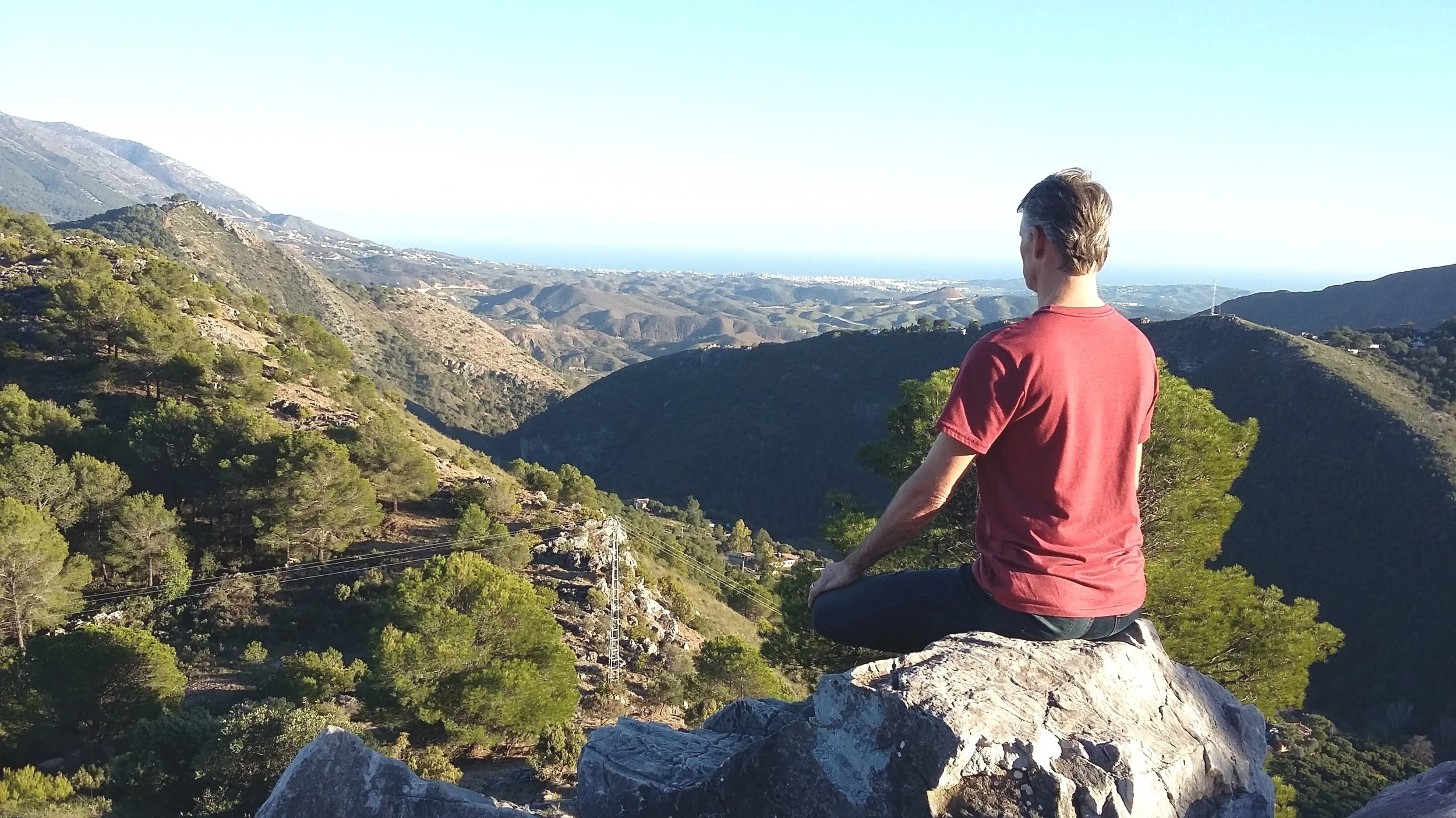
Classically Taoist Meditation was done while sitting in the Emperor’s position. In this video, I’ll show you how to sit in a chair (or on a rock!) for meditation.
By Paul Cavel
In previous posts, I covered exercises for creating space in body, mind and qi to increase relaxation and release deeply bound tension. Now we’ll explore foundational breathing techniques to lull the nerves into a state of letting go and gently massage the internal organs to increa...
Follow The Tai Chi Space
... and join our growing TTCS community!