Water Method Blog
Taoist Philosophy, Neigong and Meditation, Medical Qigong, Tai Chi and Bagua
Need some breathing space from your worries?
Find out why qigong has been practised for millennia to help relieve stress and anxiety. I also discuss how qigong helps to focus and develop the power of your mind.
Taoist Longevity Practices
In this video, I discuss how ancient neigong exercise (e.g. qigong, tai chi and bagua) can help you to remain healthy, and increase longevity, awareness and your intent.
I discuss how and why neigong targets the body's systems, and helps to develop the mind in order t...
In this video, I discuss the neigong hierarchy for the Energy Arts System, which I and The Tai Chi Space teachers offer in our courses. I answer the questions: Can a beginner practise Gods Playing in the Clouds Qigong, the oldest and most powerful of the Taoist rejuvenation practices? Why would e...
Systematically build and refine your medical qigong practice with step-by-step instructions and guided practices to feel, grow and develop your qi. Qigong is altogether different to modern exercise as a relaxation-based — rather than tension-based — exercise method, which targets the energy or...
Heaven & Earth Qigong
In this video, I discuss how to tap into the energies of Heaven and Earth to cleanse and re-vitalise your body, mind and qi. See a demo of the macrocosmic and microcosmic orbits of energy used in Heaven & Earth Healing Qigong, a 3,000-year-old Taoist practice.
Heaven and Earth Healing Qigong has been practised by Taoists for 3,000 years to access the core channels of the body — the left, right and central channels of energy — to penetrate the body’s shell. Heaven and Earth Qigong practice:
-
Starts by targeting the soft tissues (fascia, muscles,
...
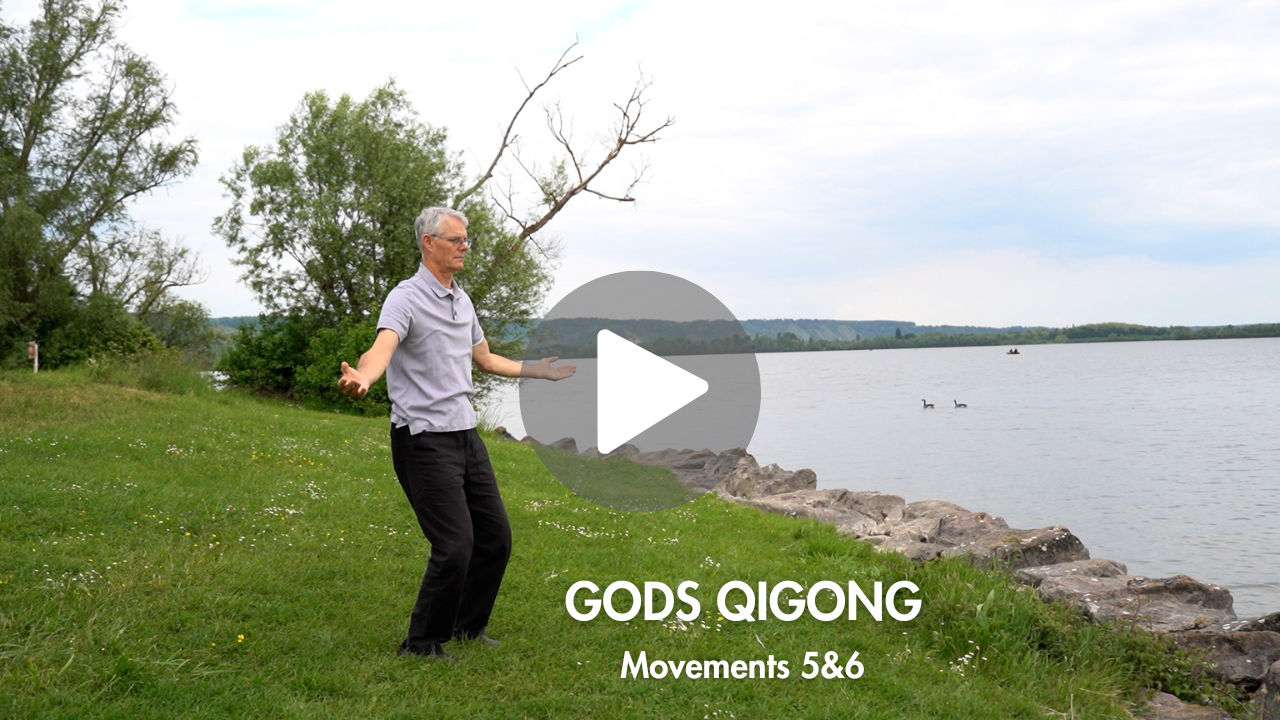
Gods Qigong: The Most Powerful of the Taoist Rejuvenation Practices
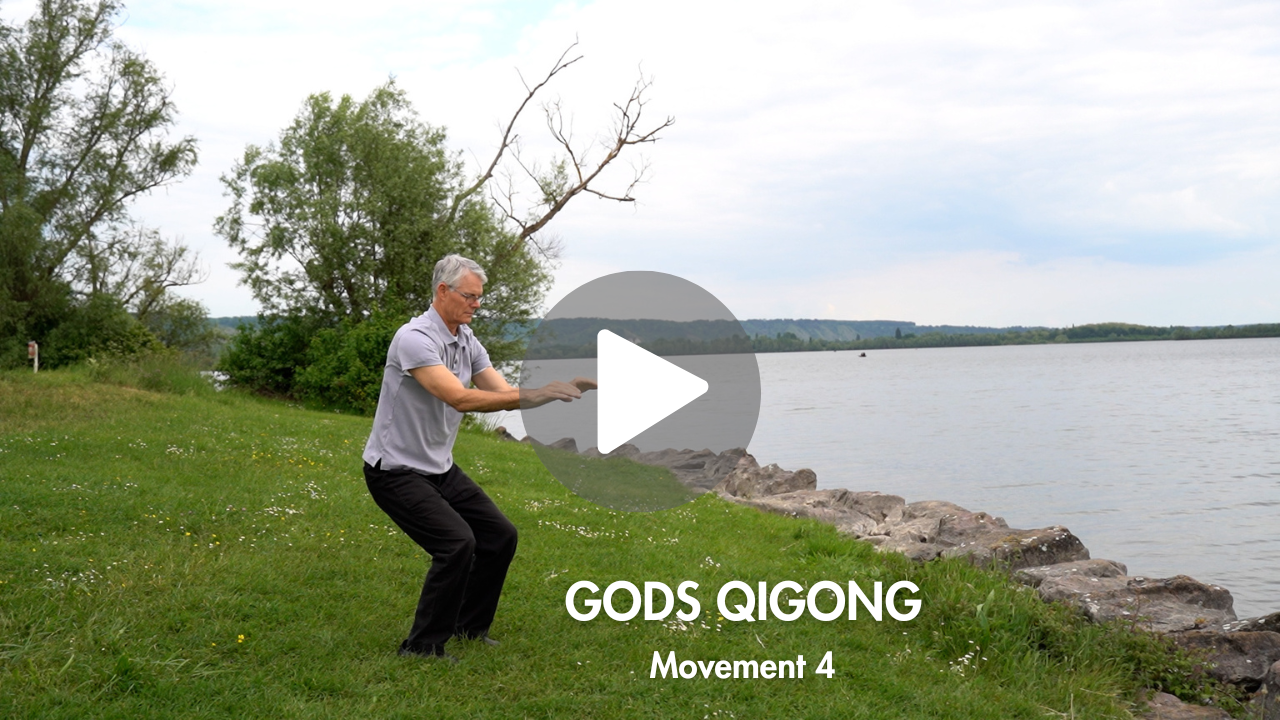
Gods Playing in the Clouds Is the Most Powerful of the Taoist Rejuvenation Practices
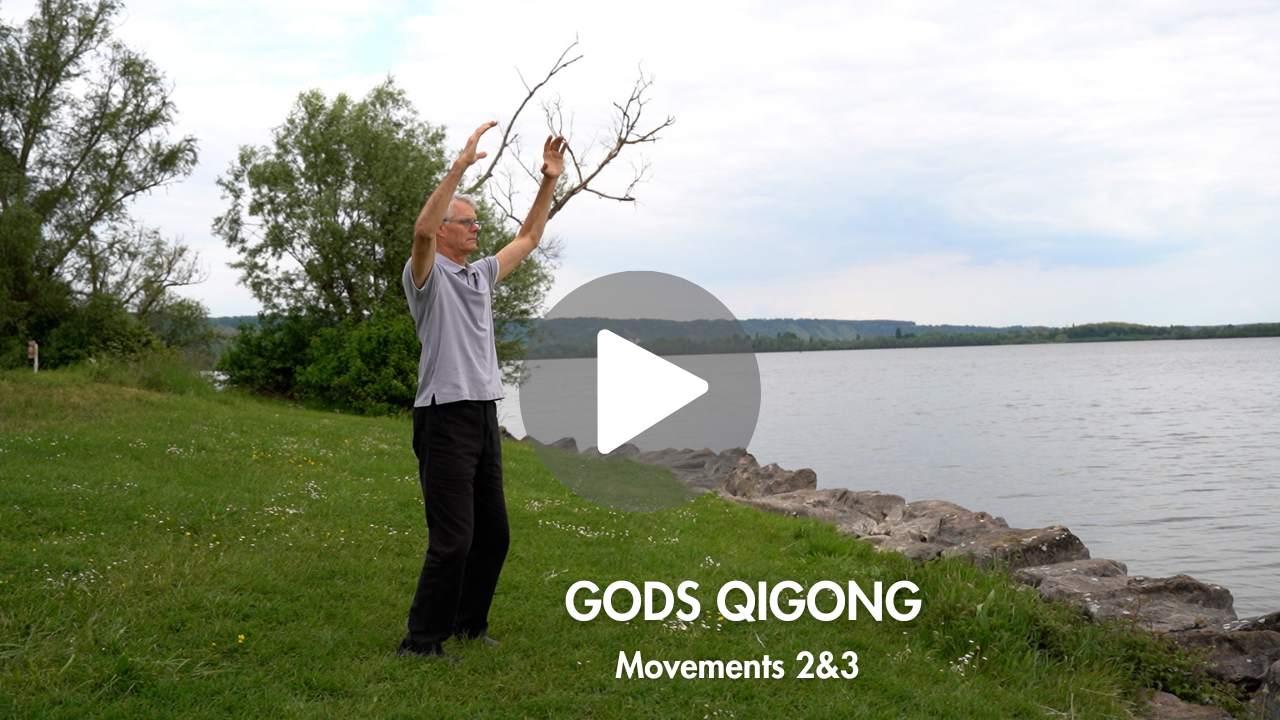
Gods Playing in the Clouds Is Most Powerful of the Taoist Rejuvenation Practices
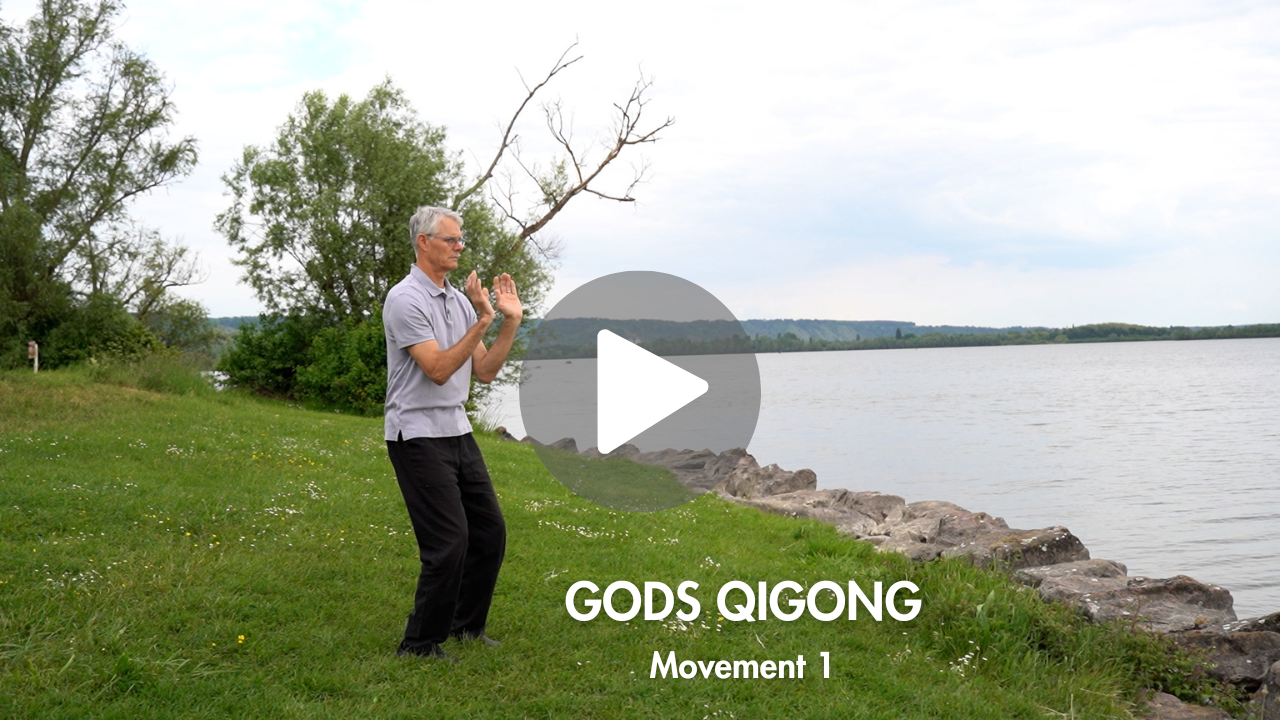
Gods Playing in the Clouds Is Most Powerful of the Taoist Rejuvenation Practices
In London, I sat down with fellow TTCS medical qigong instructors Anna Price, Sarah Lim-Murray and Mir Ali, an acupuncturist who specialises in women’s health (https://www.warriorhealers.co.uk/), to discuss qigong and meditation for women.
We discuss:
-
How qigong training is different fo
...
Become grounded with this guided practice.
Is HRT inevitable for Menopausal Women? How can tai chi, qigong and meditation help?
In London, I sat down with fellow TTCS medical qigong instructors Anna Price, Sarah Lim-Murray and Mir Ali, an acupuncturist who specialises in women’s health, to discuss perimenopause, and the benefits of qigo...
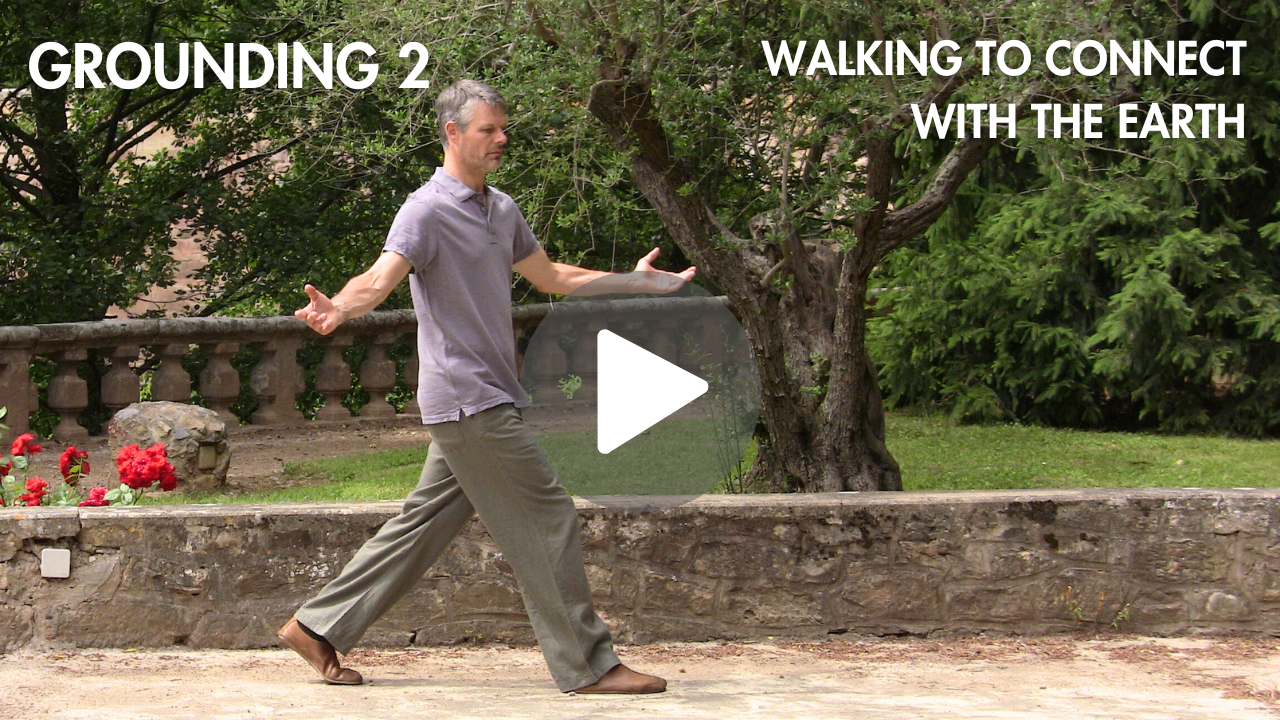
Become grounded with this guided practice.
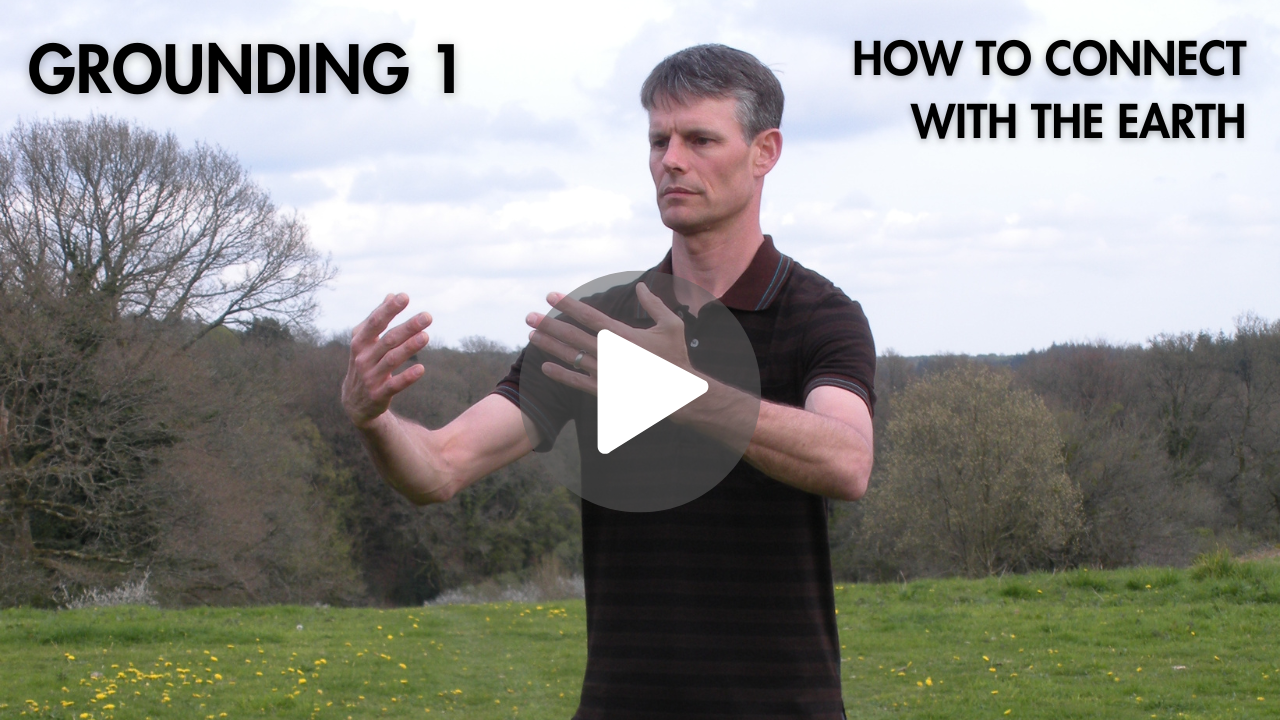
Become grounded with this guided practice.
La version en français est disponible ici.
Most people find it rather difficult to feel their energy, especially in the early years of practice. In this case, Dragon and Tiger Medical Qigong offers a straightforward and exceptionally easy methodology for learning how to feel your qi, and develo...
What's Holding You Back?
In this follow-on talk with TTCS Instructor Javi Martinez, we discuss healing with Taoist neigong. Topics include:
- The benefits of training, such as better sleep, increased flexibility and growing a younger body
- Healing physical, energetic, emotional, mental and...
This is Part Three of the Water Method series with Mir Ali.
Start with Part One:
• What Defines Water Method Training
In this third video, Mir and I drill down into the question: What is the point of training? We also discuss the training progression as you develop skill with fundamental neigong...
The stress and pressure of life coupled with the constant comparing of ourselves to others creates competition. Only super athletes and the highest of high-performers can operate well under these conditions. It creates a push — in the body, in the mind — which ultimately leads to a glass ceiling,...
In this video, I meet with my friend and fellow Water Method teacher Jason Roberts to discuss how to practise to cultivate qi and manifest the energies of the Five Elements.
We discuss:
-
Where to put your focus and strategies for practising the Water Method as it is comprised of five neigong
...
Audio from a recording in California, March 2024 on how to make practice effortless with a video of an evening tai chi practice in California, May 2024.
Javi Martinez teaches tai chi and qigong in London
In this talk, I sit down again with Javi Martinez to discuss the three integrated streams of Taoist arts training: health/healing, martial arts and personal/spiritual development. Let us know in the comments which is your path... We can centre future discussions on the levels of practice you wish...
If you really want to be healthy, to feel freer, to become a better human being, you must first create balance. Taoist energy arts have been practised for millennia for these reasons, and many more.
Most popular is qigong (and younger tai chi), but in the Water Method, the focus is on neigong an...
In this video, I discuss bending-and-stretching neigong and lengthening neigong, and how they become one.
Follow The Tai Chi Space
... and join our growing TTCS community!