Water Method Blog
Taoist Philosophy, Neigong and Meditation, Medical Qigong, Tai Chi and Bagua
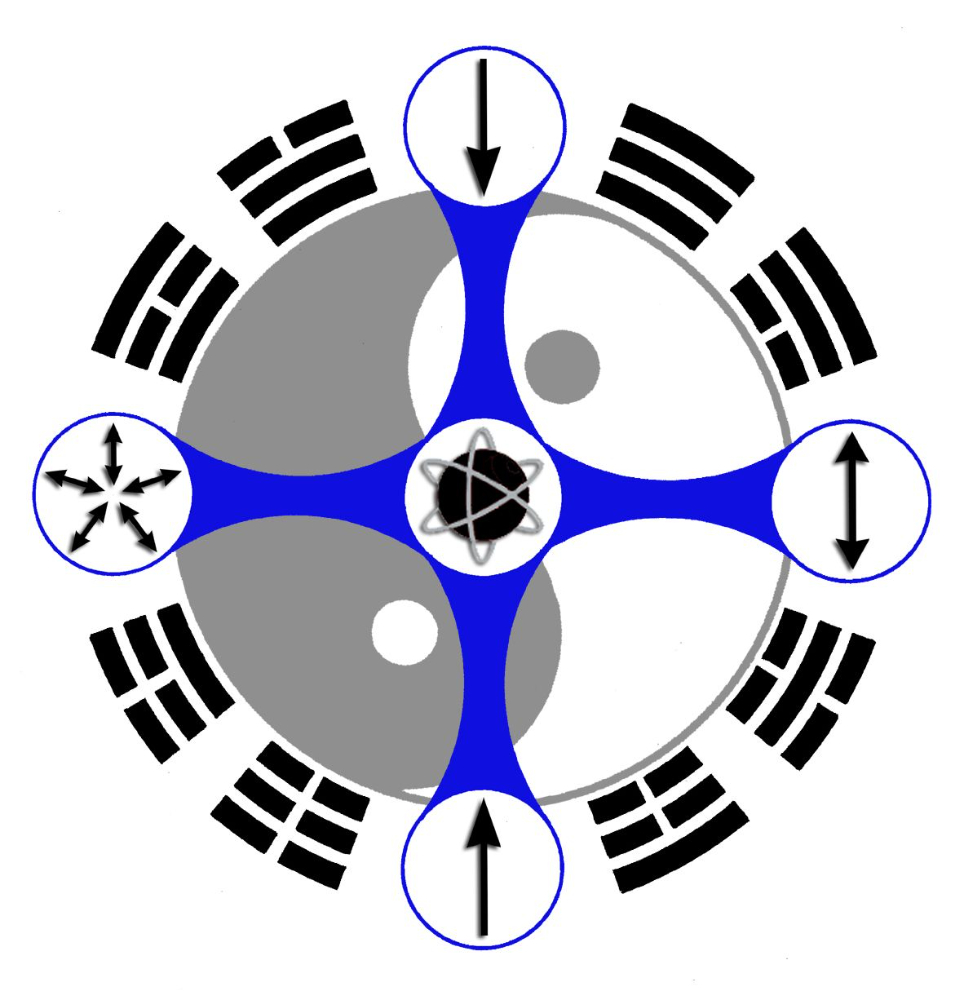
Heaven & Earth Qigong
In this video, I discuss how to tap into the energies of Heaven and Earth to cleanse and re-vitalise your body, mind and qi. See a demo of the macrocosmic and microcosmic orbits of energy used in Heaven & Earth Healing Qigong, a 3,000-year-old Taoist practice.
Heaven and Earth Healing Qigong has been practised by Taoists for 3,000 years to access the core channels of the body — the left, right and central channels of energy — to penetrate the body’s shell. Heaven and Earth Qigong practice:
-
Starts by targeting the soft tissues (fascia, muscles,
...
Become grounded with this guided practice.
Become grounded with this guided practice.
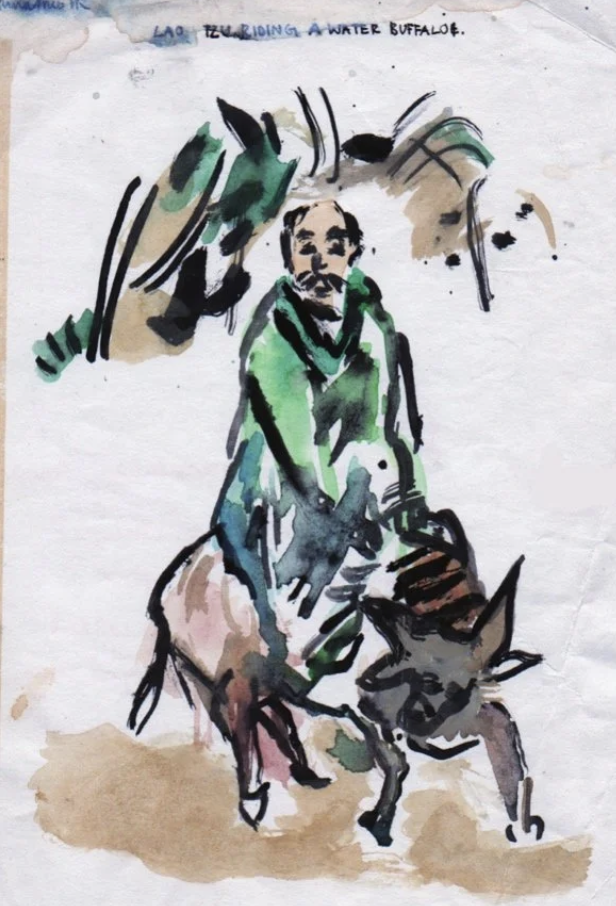
Hold fast to the great form within
And let the world pass as it may
Then the changes of life will not bring pain
But contentment, joy and well being
TAO TE CHING Verse 35
Laozi
By TTCS Instructor Anna Price
Most mornings, before breakfast, I practice qigong. Every morning is the same but ...
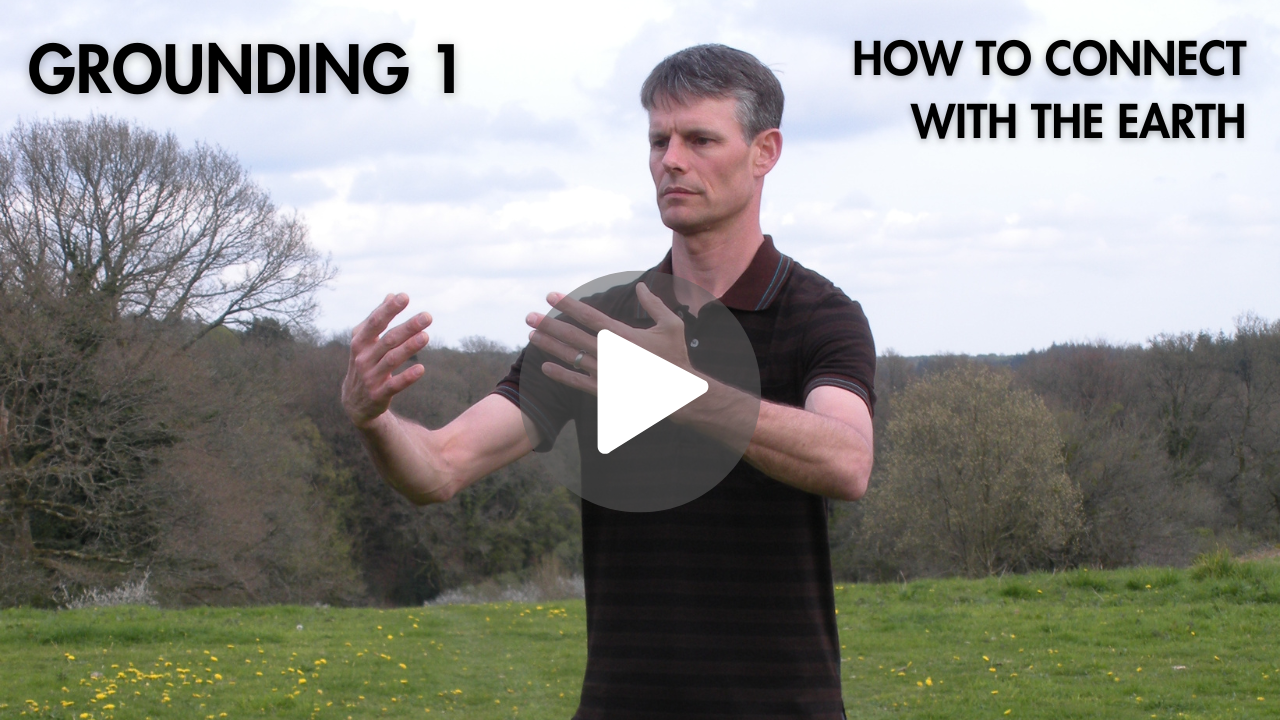
Become grounded with this guided practice.
By Paul Cavel
Dragon and Tiger, as a form of medical qigong, was originally designed to contact and develop the etheric field and the wei qi of the body. For this reason, it links very well with the meridian-line system used in acupuncture. The information covered in the last fou...
By Paul Cavel
In Part 3, we looked at the two primary methods for mobilising and developing qi within Dragon and Tiger Medical Qigong. Now we’ll take a look at the three primary depths of developing qi to strengthen the etheric field and the physical body.
All the practices a...

By Paul Cavel
With the first two phases of softness and precision embodied, at least to some degree, Dragon and Tiger Medical Qigong becomes an excellent vehicle for delving into the subtle layers of qi development. Before this, you can gain a general sense of the qi that powers ...
By Paul Cavel
Dragon and Tiger Medical Qigong includes many layers and levels of energetic development, which can take a practitioner deep into the realms of qi. But in order to get the most out of your practice, there are three distinct phases that must be followed to allow you ...
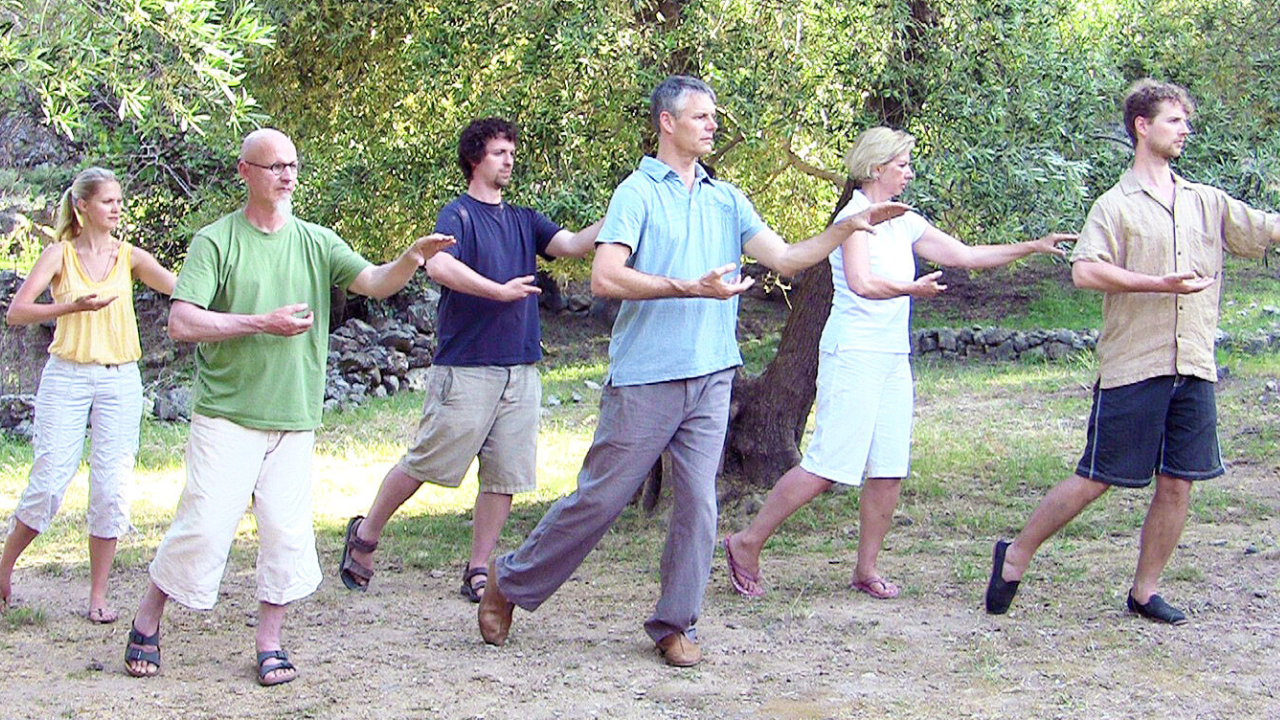
By Paul Cavel
The two most popular questions I get asked by new students in a qigong class, hands down, are:
What do I do with my breathing?
What do I do with my qi? Or how do I get access to my qi?
I’d really like to answer these questions. After all, this is the s...
What's Holding You Back?
In this follow-on talk with TTCS Instructor Javi Martinez, we discuss healing with Taoist neigong. Topics include:
- The benefits of training, such as better sleep, increased flexibility and growing a younger body
- Healing physical, energetic, emotional, mental and...
This is Part Three of the Water Method series with Mir Ali.
Start with Part One:
• What Defines Water Method Training
In this third video, Mir and I drill down into the question: What is the point of training? We also discuss the training progression as you develop skill with fundamental neigong...
In this video, I meet with my friend and fellow Water Method teacher Jason Roberts to discuss how to practise to cultivate qi and manifest the energies of the Five Elements.
We discuss:
-
Where to put your focus and strategies for practising the Water Method as it is comprised of five neigong
...
If you really want to be healthy, to feel freer, to become a better human being, you must first create balance. Taoist energy arts have been practised for millennia for these reasons, and many more.
Most popular is qigong (and younger tai chi), but in the Water Method, the focus is on neigong an...
In this video, I discuss bending-and-stretching neigong and lengthening neigong, and how they become one.
The kwa is essential to internal arts training as it powers all forms. In the this video, I’ll take you through the basic kwa squat to make sure you’re practising it correctly.
In my Taoist Neigong online classes, core Water Method training, we cover many layers of the kwa squat to help you r...
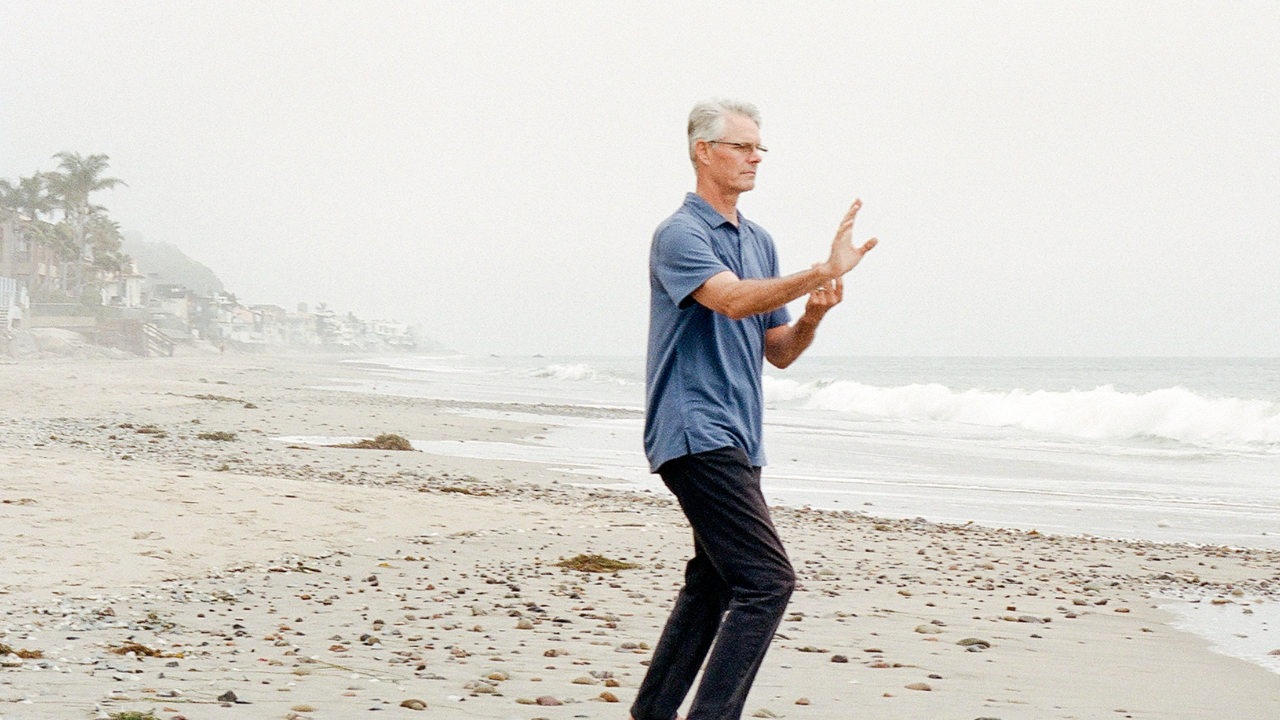
By Paul Cavel
Although people who train the internal arts of qigong, tai chi and bagua do so for a variety of reasons, all motivations can be classified into three general categories: health/healing, martial arts and spiritual development. In reality, everyone trains for health because, at the...
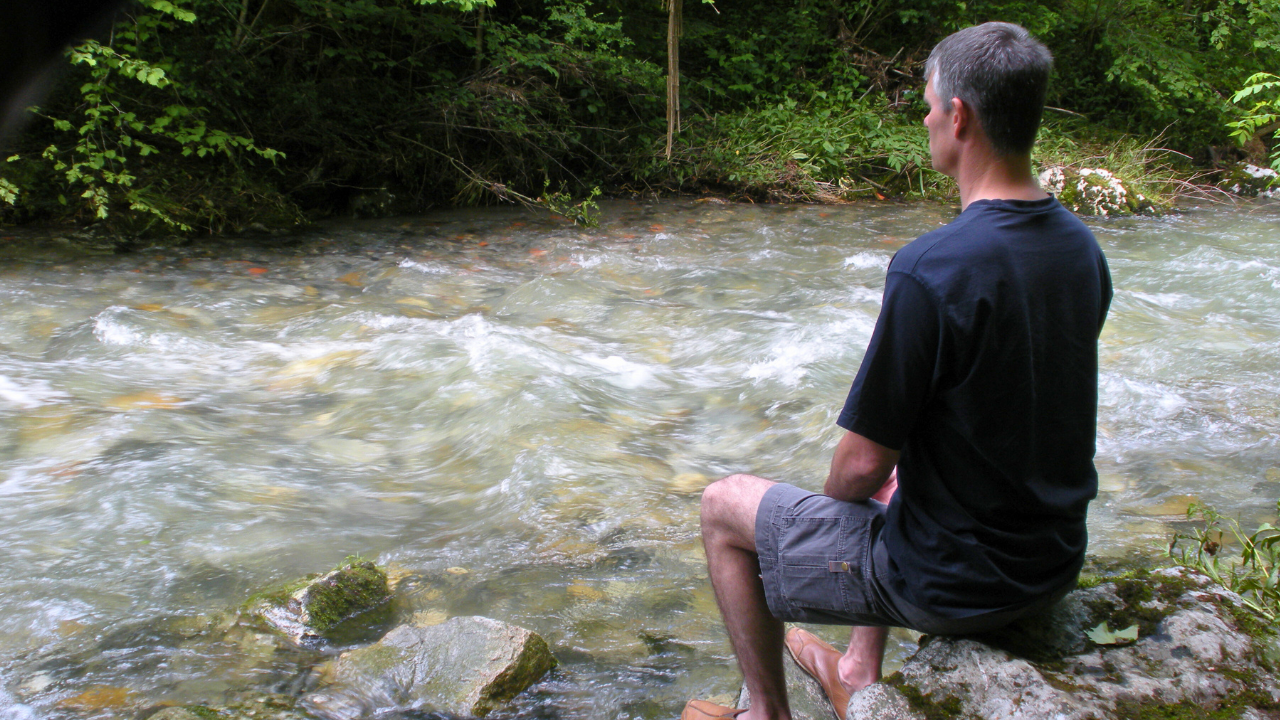
By Paul Cavel
I began studying the Taoist Water tradition in the late 1980s and quickly dedicated myself to my training because of life-debilitating injuries I needed to address to maintain any decent quality of life. At that time, I felt as though I had looked everywhere for answers, but nothin...
Opening the Energy Gates of Your Body Qigong is the foundation of all Taoist meditation and energy arts practices, specifically developing the qualities of the Water Element. Water is all about clearing and cleansing the body and its qi, which ultimately affects the mind.
As an introductory q...
The Wu style is considered by many to be the deepest style of tai chi. Initially designed to become a form of moving meditation, the Wu style serves as a container for all 16 Taoist neigong. This small-frame style is capable of driving neigong deep into the body, but requires the body to be relat...
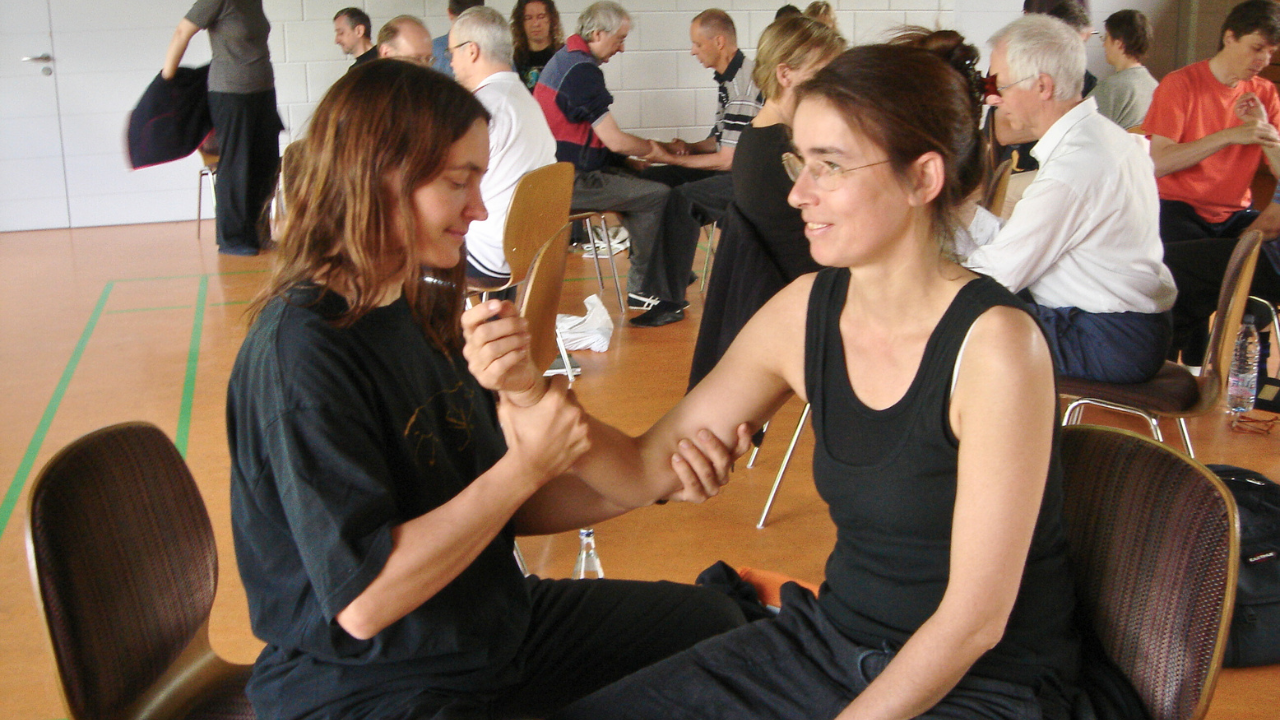
By Paul Cavel
In Part 1, we discussed how breaking the reciprocal-inhibition habit and using moderation are essential to healing. Now we’ll look at how consistency and personal factors also play key roles.
Healing Requires Consistency
Drilling down into the mechanics of how exactly you will app...
By Paul Cavel
If I were to summarise the vast majority of enquiries I receive in a single question, it would be,“Can qigong heal X”? – you name it.
First, to answer the question, yes, generally qigong supports healing for a wide array of specific ailments and injuries, and has been doing so as ...
Follow The Tai Chi Space
... and join our growing TTCS community!