Water Method Blog
Taoist Philosophy, Neigong and Meditation, Medical Qigong, Tai Chi and Bagua
Internal resistance to training and self-care is one of the primary reasons why people do not reach their dreams and potential. Watch the 1-hr talk on my YouTube Channel @PaulCavel.
"Be like water, my friend", that was Bruce Lee's advice. This is a snippet from my talk with Morgan from the Freedude Podcast on the philosophy of the Water Method. See the full talk on my YouTube Channel @PaulCavel.
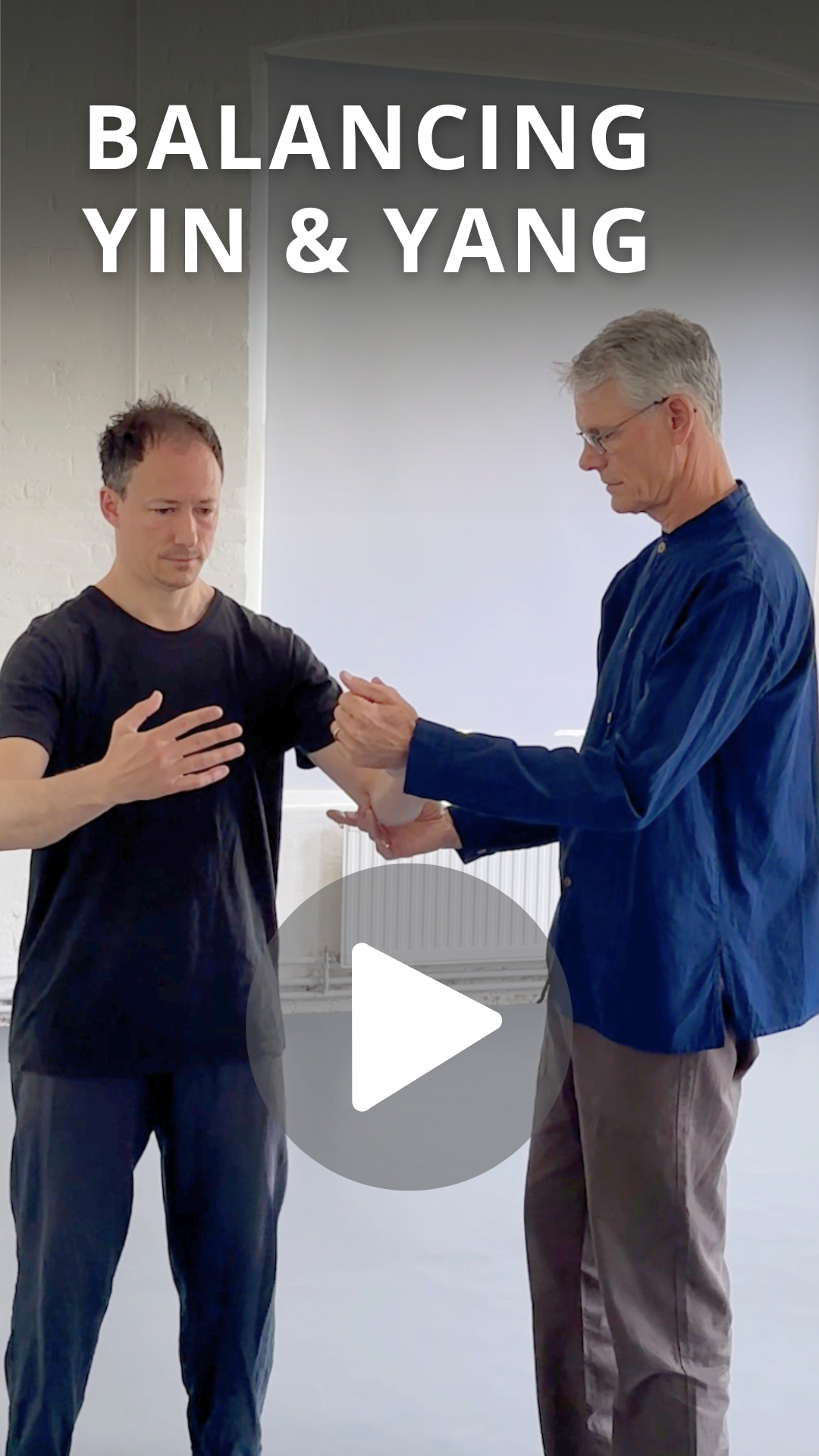
Yin and yang, or all opposites, is a philosophical concept from Taoism. True Taoist studies always start with body, specifically with qigong. In this video, I cover the primary areas of focus for balancing the body, all yin-yang combinations, in the physical body according to internal neigong p...
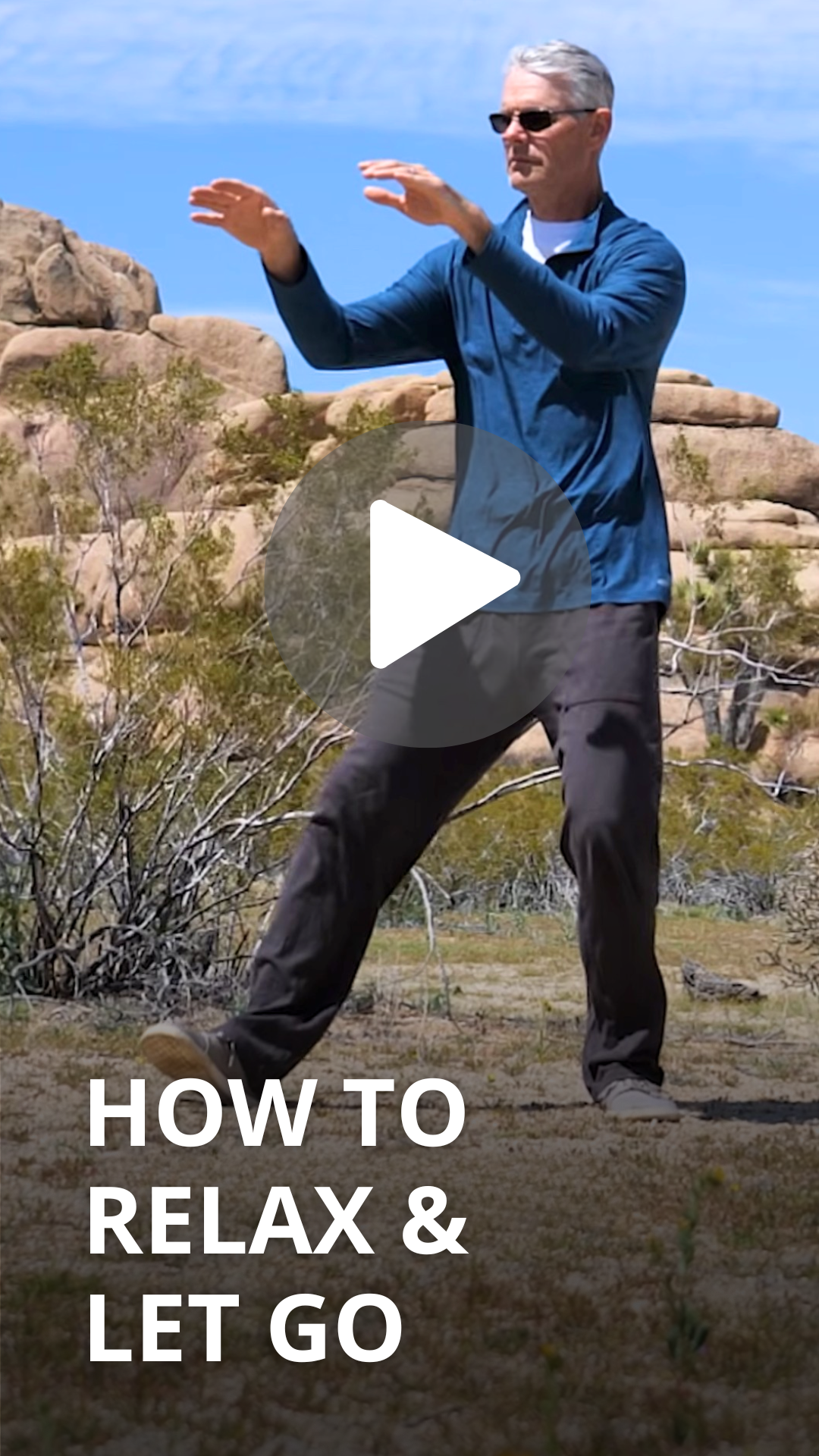
Virtually no other health system takes the Water approach to life, but this millennia-old strategy allows you to establish and maintain a personal/spiritual practice, rest, relax and let go — even as you work towards your greatest and most challenging of goals.
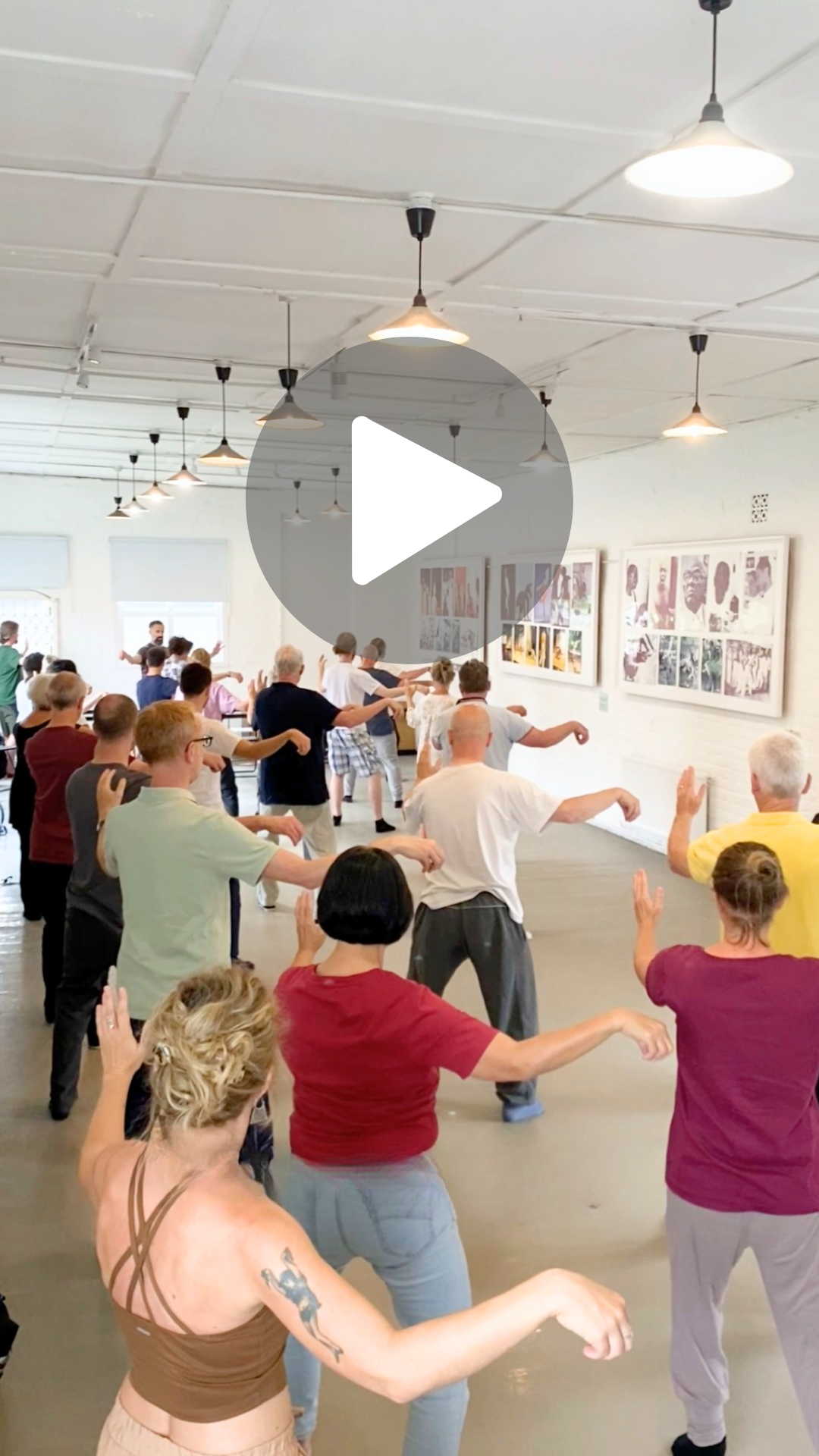
In the Water Method, the Principle of Separate and Combine is used to build skills in the lifelong practices of Five Element neigong, medical qigong, tai chi, bagua and even Taoist Meditation. However this skill-building strategy can be applied to grow and improve skills of any kind.
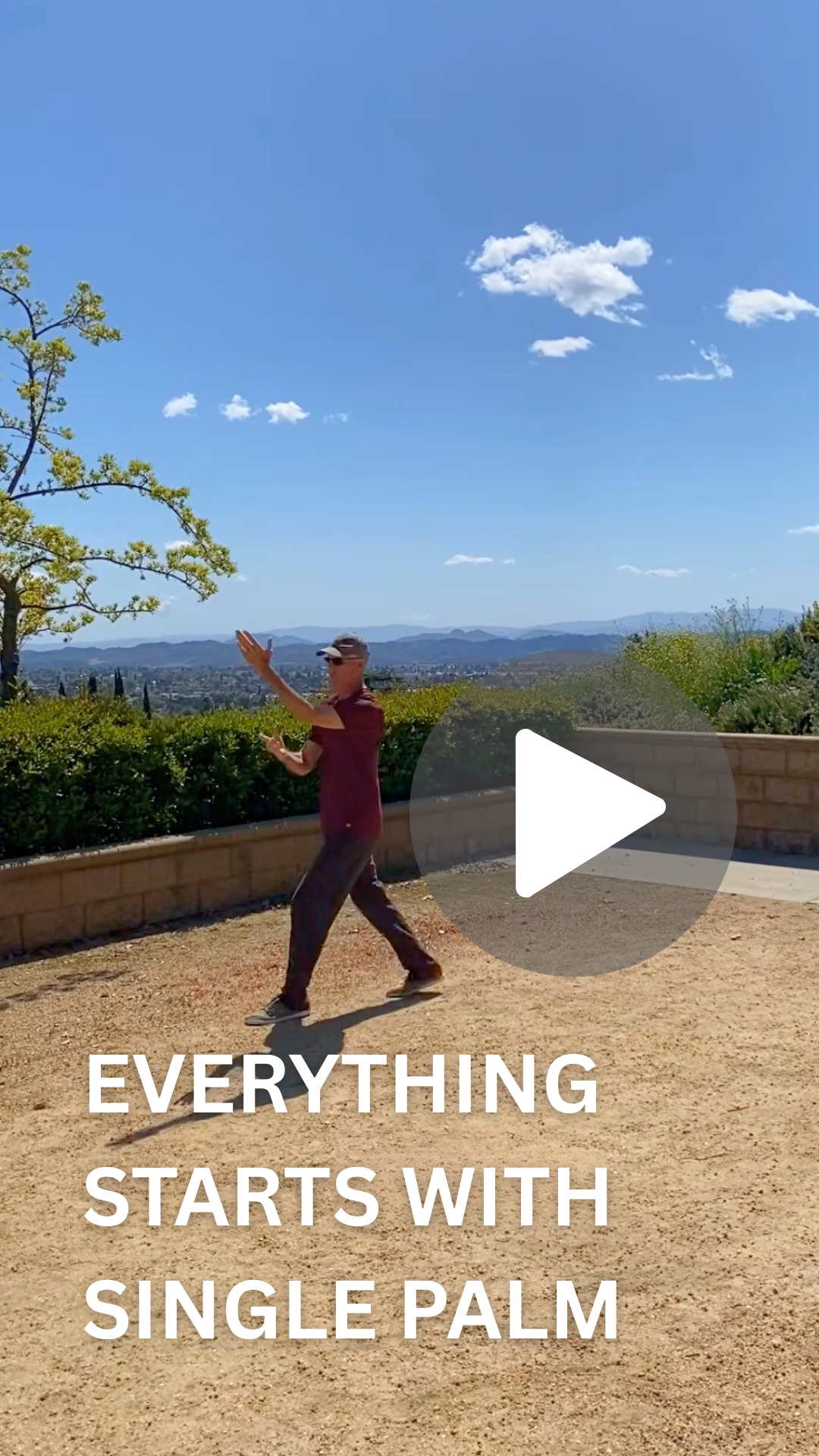
According to Taoist philosophy, balancing yin and yang in the physical body is the first step in creating space for healing in body, mind and qi.
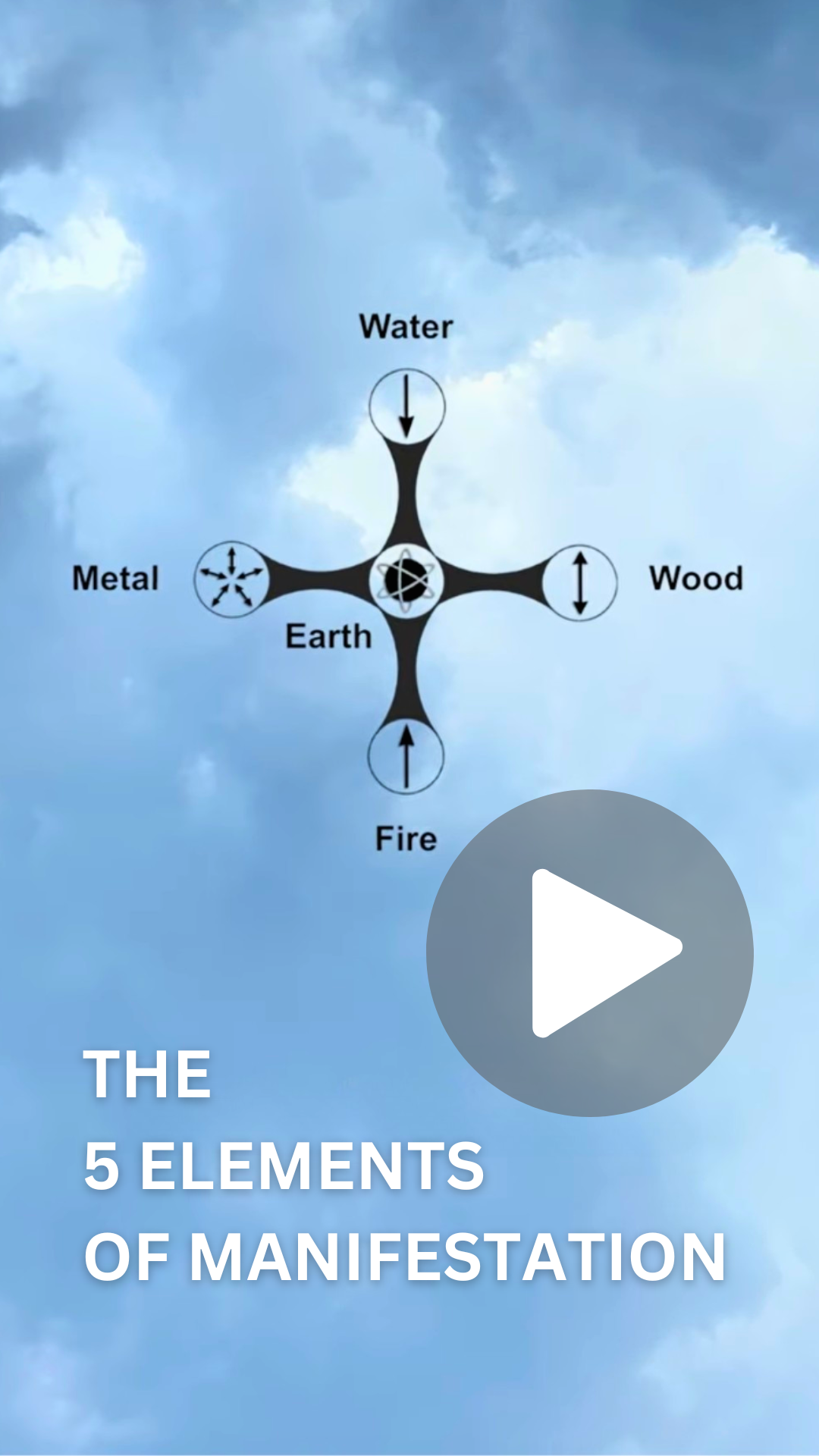
The Five Elements of Chinese medicine are Water, Fire, Wood, Metal and Earth. These energies govern the manifest realm and indeed the whole body-mind-qi matrix.
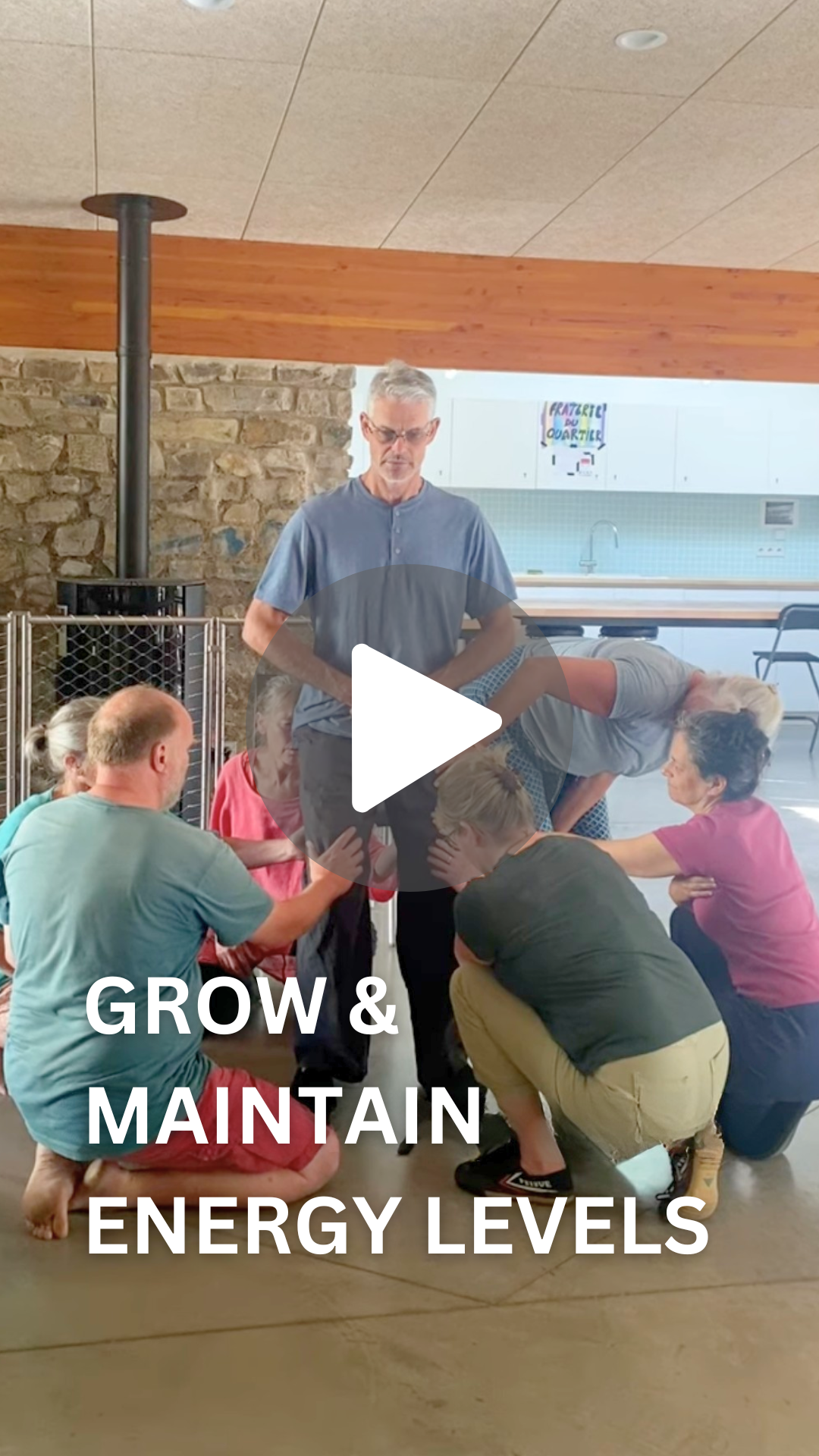
In the West, we don't focus on contacting, let alone banking, the energy (or qi/chi) that we generate. Qigong, tai chi and bagua target qi development to heal body imbalances and traumas, restore health and vitality, and strengthen weaknesses. All of it is guided by the Taoist Principle of Thir...
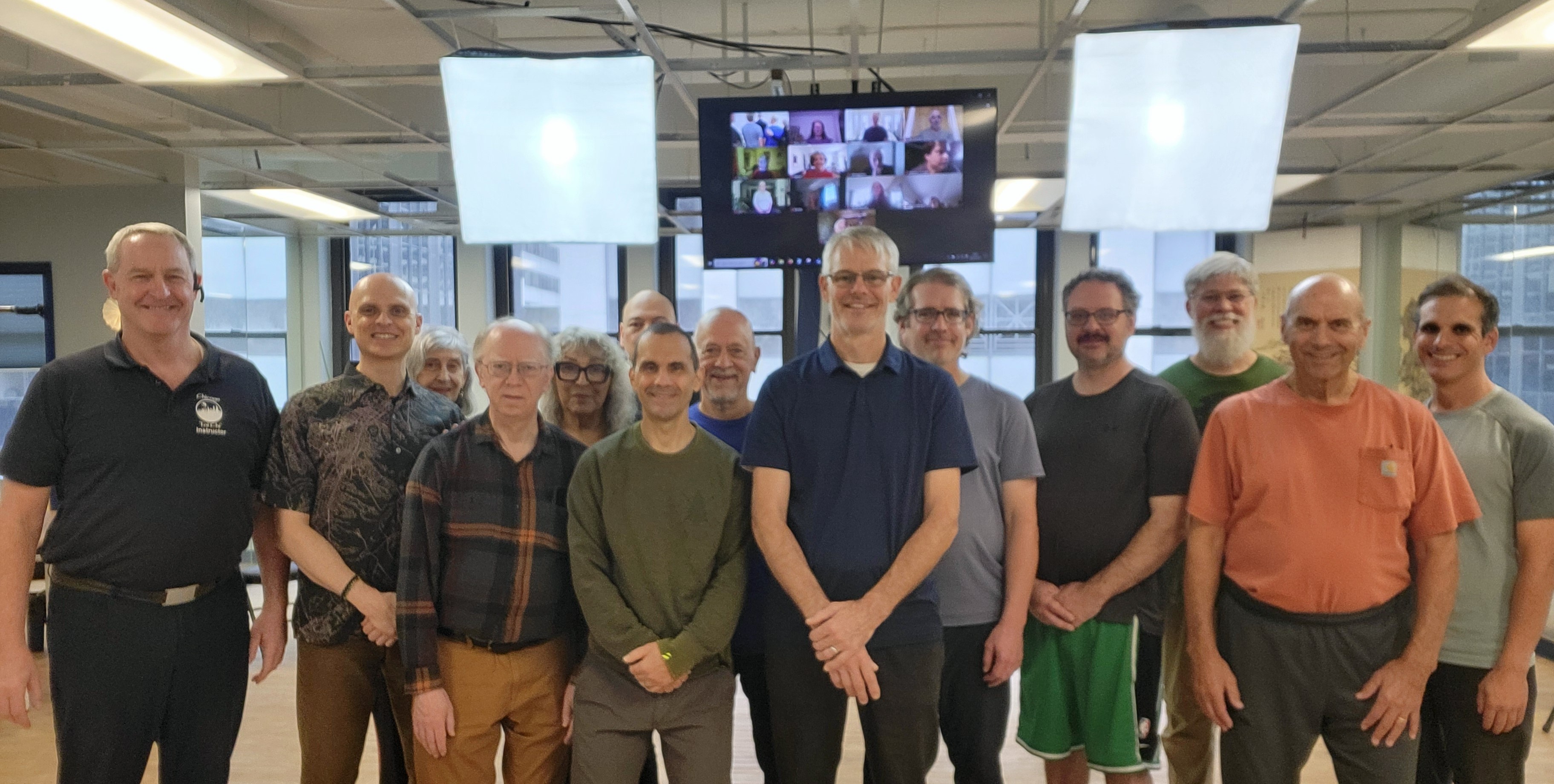
Thanks to my friend, Chris Cinnamon, head instructor of Chicago Tai Chi, for reviewing my recent book, Taoism: A Journey Towards Unity. He offers an overview of what's included in the book as well as more on the context about the teachings that I think you might find interesting.
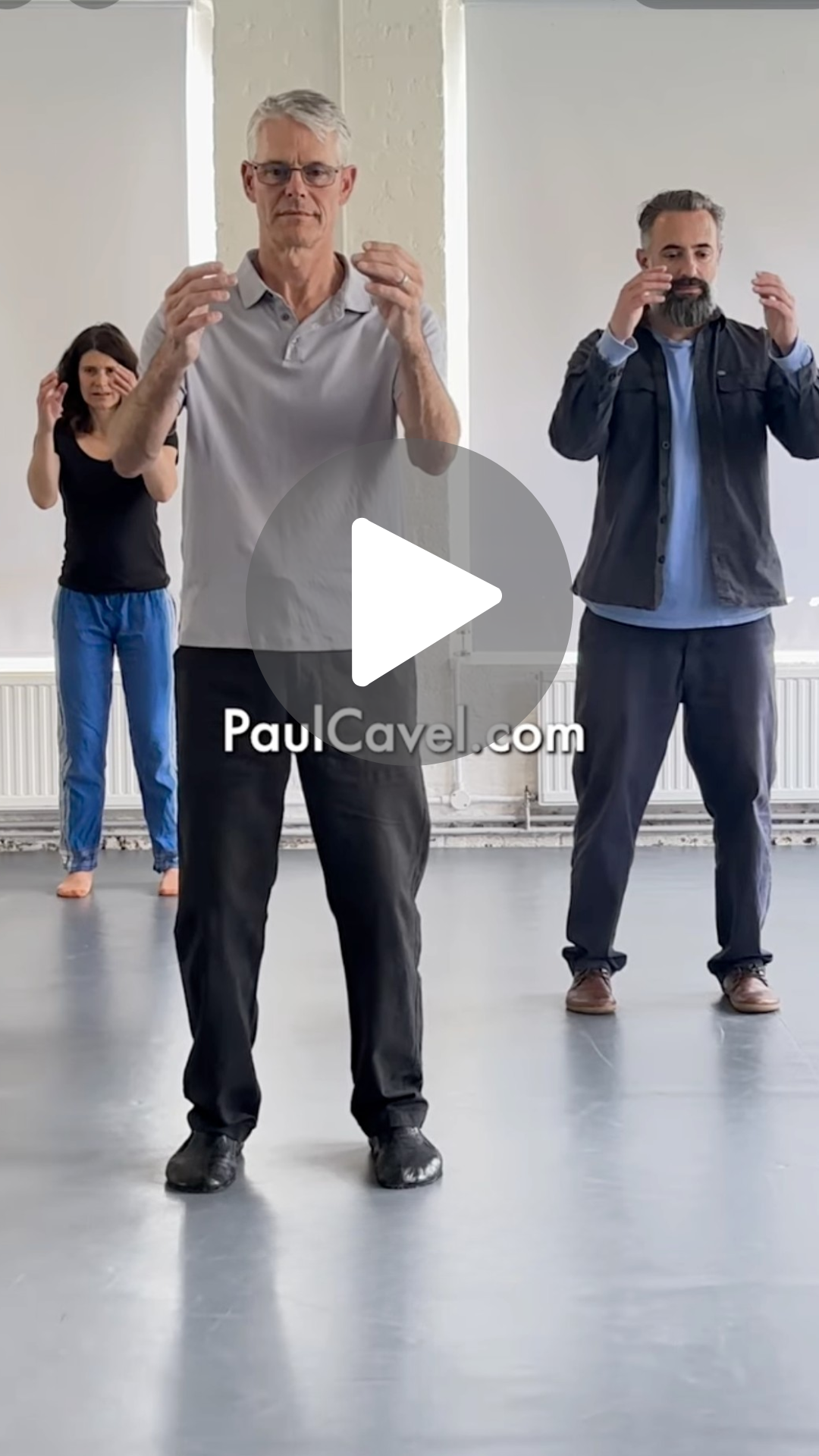
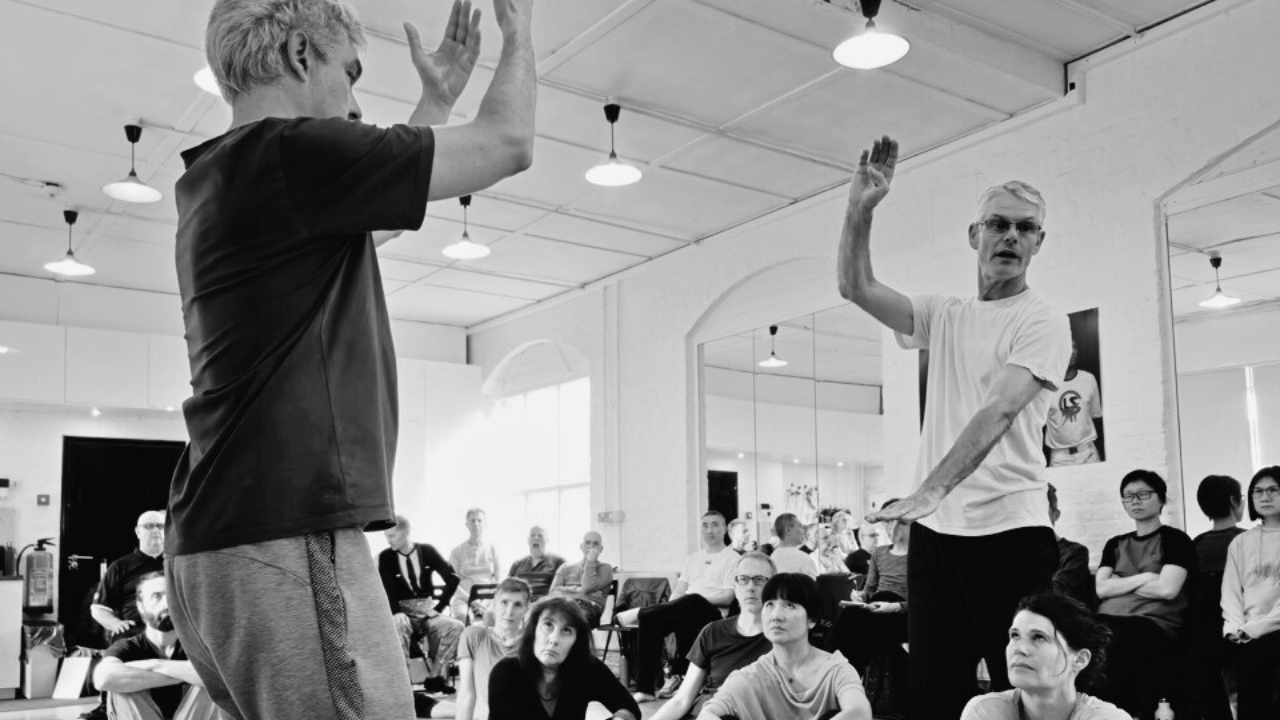
A sinking action always creates a rising action.
By Paul Cavel
Everywhere I turn, I keep hearing, "You become what you think”. But if all we had to do is *think* our way through life, for a start, everybody would be super fit, rich and happy!
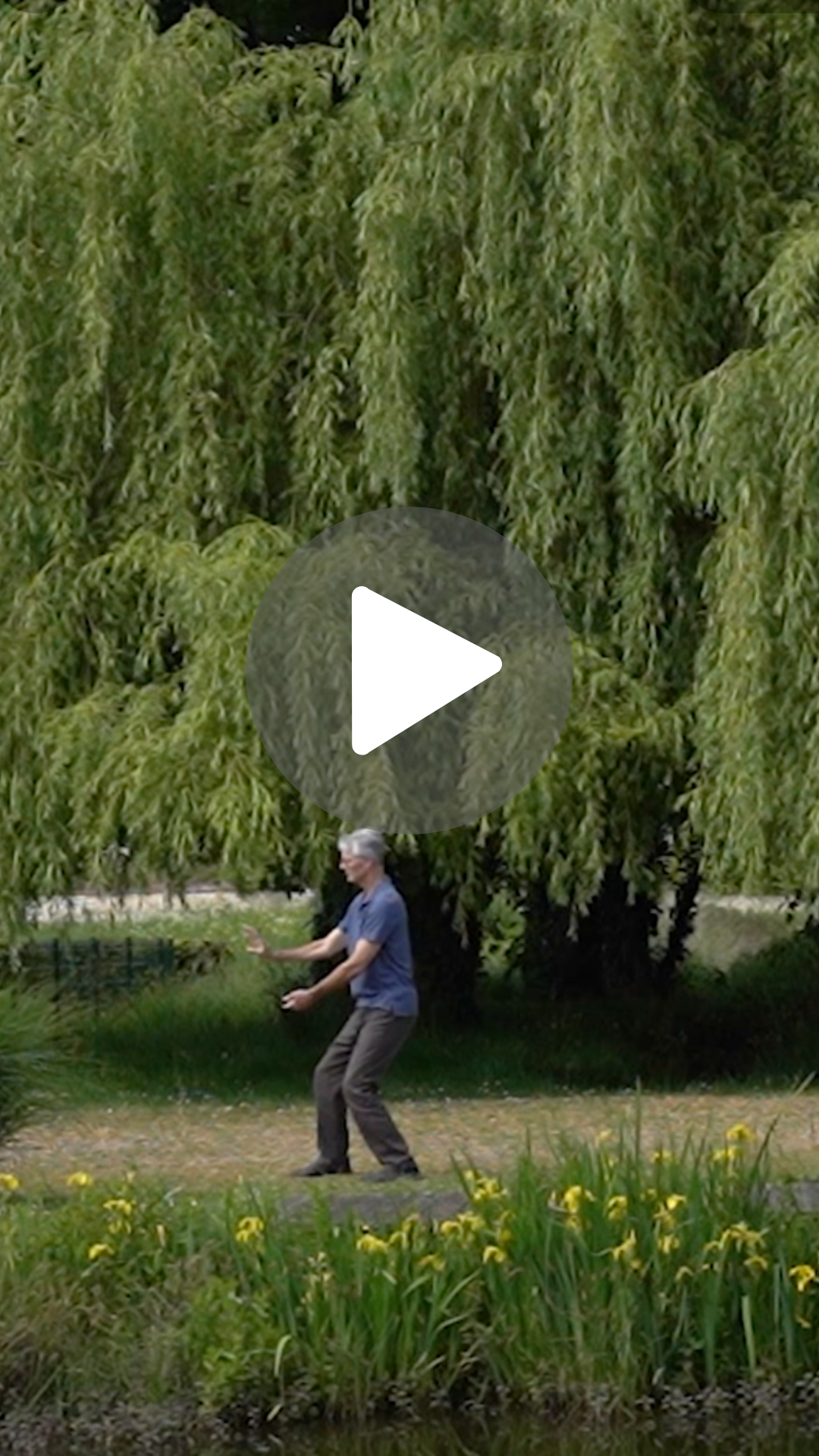
The Taoist sage Liu Hung Chieh said, "You become what you practise”.
Exercise the body, become stronger
By Paul Cavel
"Consistency without desire". Of all the wisdom shared within the Tao Te Ching, this line finds its way back to me time and again.
Students often share with me their goals for training. I can relate to the honest intent that underscores these aspirations, especially in regards to heali...
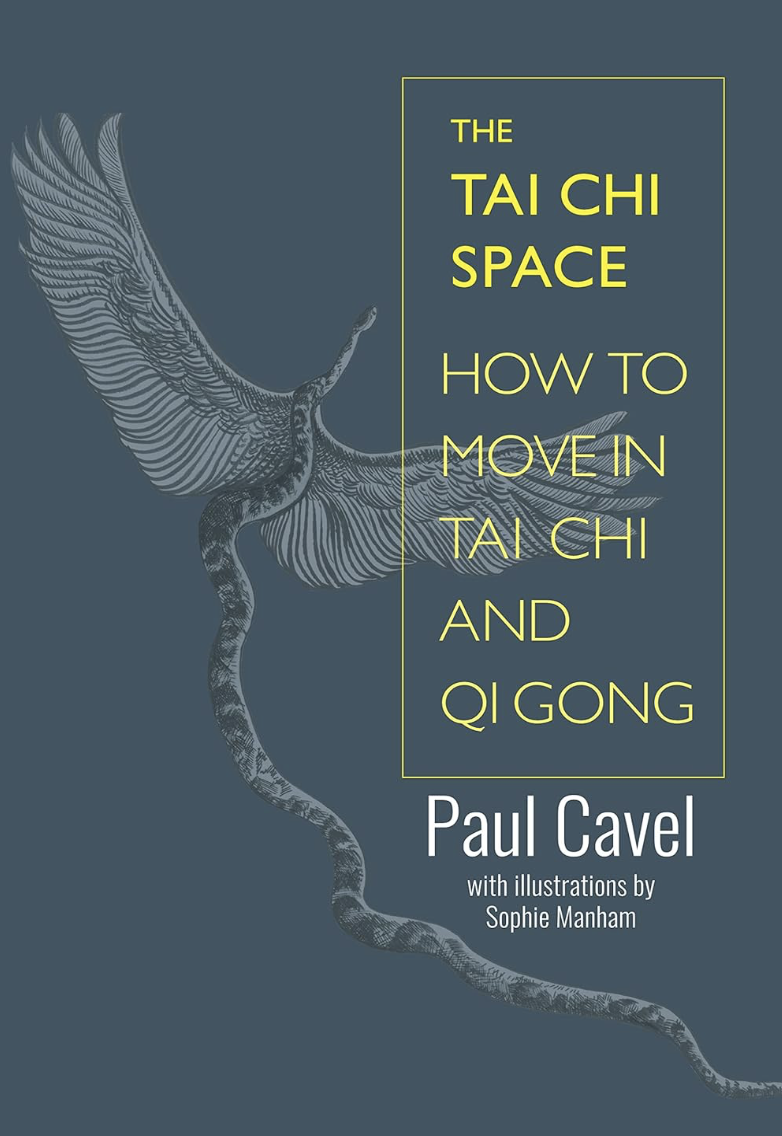
Foreword by Dr. Michael Mettner
“Metaphors, images and symbols are the language of our subconscious minds. They help to convey meaning to our consciousness and hence store in the memory quite easily and naturally. If they are chosen well, they are able to penetrate the deeper layers of our con...
Thanks to Morgan Freedude for the chat. I hope you guys all enjoy it. We discuss: *Taoism, Lao Tzu and the Oral Tradition of the Tao Te Ching *How to heal physical and emotional traumas *How to live a longer life of quality *How to transform the body and mind with millennia-old practices includin...
Wu wei is often translated literally, based on the Chinese characters. But Water Method practitioners have a much different understanding of the Taoist concept of wu wei. Following the principles of water, it starts with the physical body and goes through the Three Treasures, the Taoist path of a...
By Paul Cavel
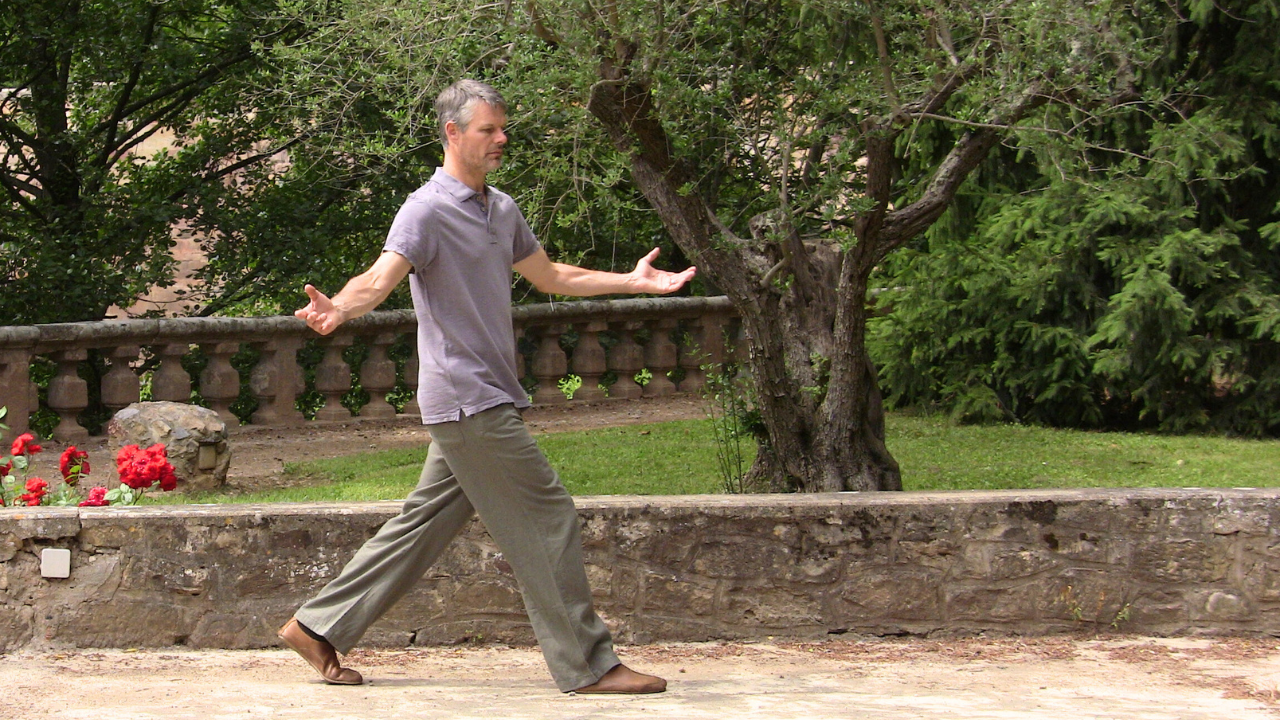
Most internal arts have a specific learning progression, which begins with a set of six or more movements in qigong, and up to 108 moves in tai chi. Then, as you practise the form over weeks, months and years, you sink into your body, mind and qi by adding layers of internal con...
In this video I discuss how to develop your awareness.
By Paul Cavel
PART 2: What Is Wu Wei?
Wu wei is often described as “doing without doing”, but what does that really mean? How can you do something without doing it? This misunderstanding is generally due to scholars outside the tradition translating Chinese characters into English,...
Following the Path of Least Resistance
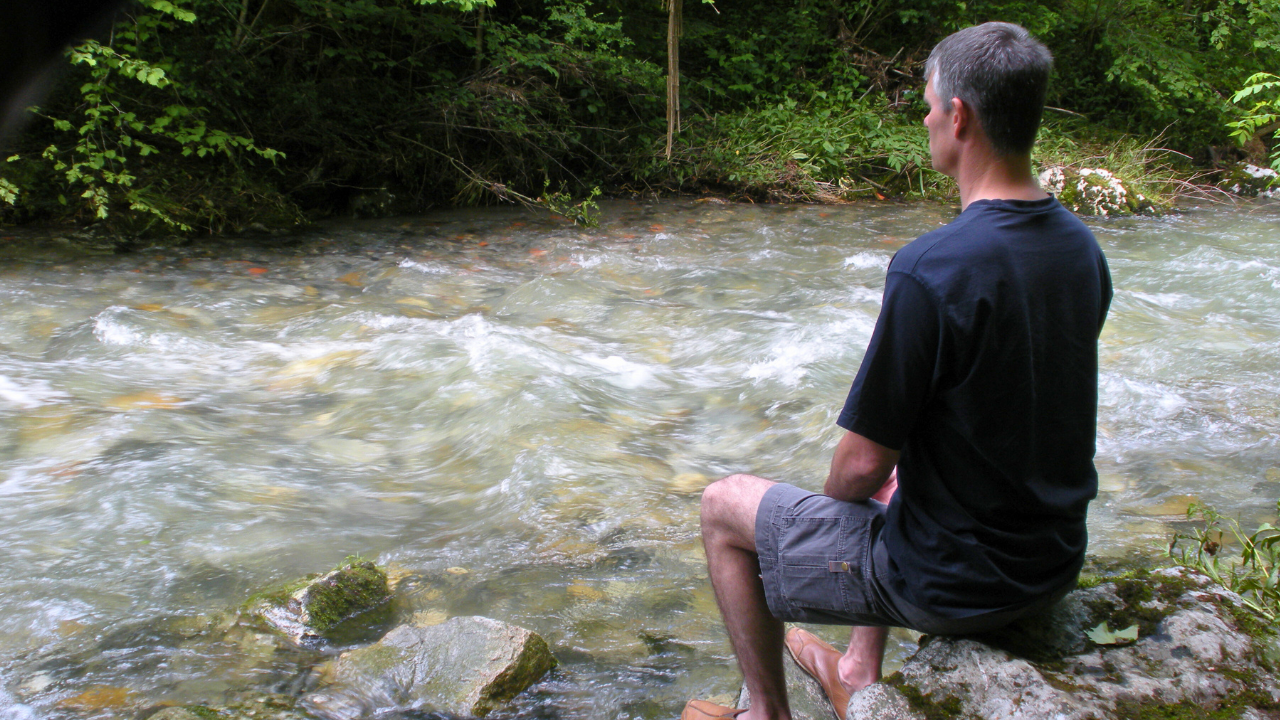
Following the path of least resistance is how you can heal your body from imbalances, injury, illness and other traumas. Overtime, you can accomplish more by making consistent, small changes than going for gold and then experiencing setbacks in the form of ...
By Paul Cavel
I began studying the Taoist Water tradition in the late 1980s and quickly dedicated myself to my training because of life-debilitating injuries I needed to address to maintain any decent quality of life. At that time, I felt as though I had looked everywhere for answers, but nothin...
Follow The Tai Chi Space
... and join our growing TTCS community!